


Uncategorized
Farm to Table Postpartum Meals for Recovery
Aug
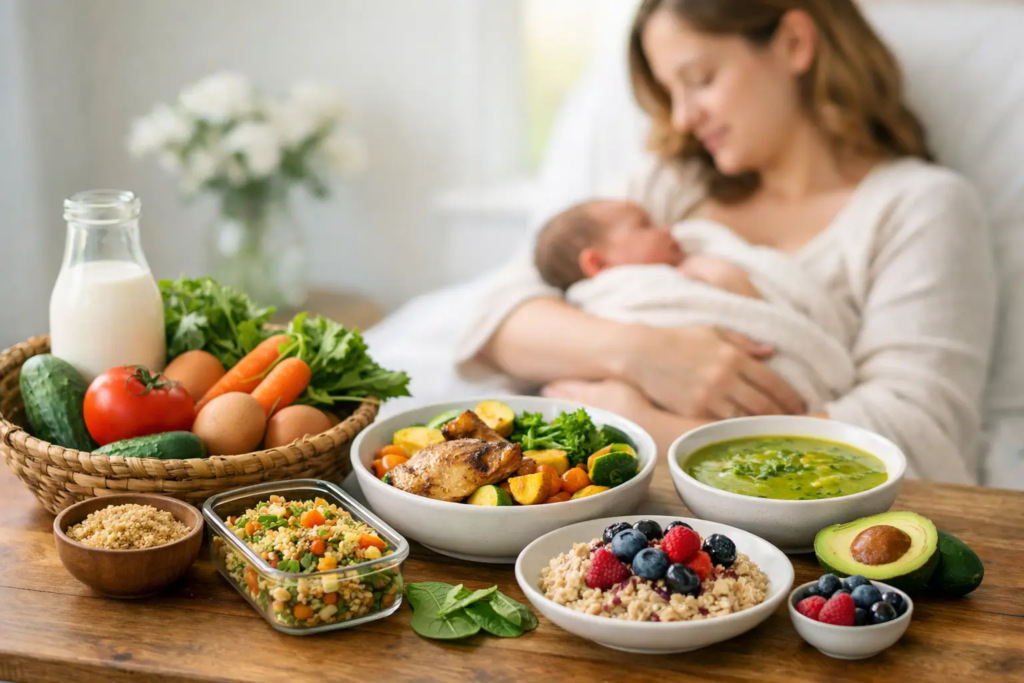
The first weeks after birth can make even simple decisions feel heavy. You are healing, learning your baby’s rhythms, and possibly feeding around the clock. Farm to table postpartum meals can take one essential task off your plate by bringing warm, freshly prepared nourishment to your home, without asking you to shop, chop, or guess what to eat.
For mothers in Singapore, the appeal is not simply that food is fresh. It is the reassurance that every meal has been planned with recovery in mind, while still giving you something delicious to look forward to. Your recovery deserves more than just a meal. It deserves dependable care.
What Farm to Table Means During Confinement
Farm to table is often used to describe food that moves through a shorter, more transparent path from source to kitchen. For postpartum care, that idea matters because ingredient quality, freshness, and thoughtful preparation all shape the meals you eat while resting and rebuilding your strength.
It does not have to mean every ingredient comes from a farm nearby. Singapore’s food supply is global, and certain recovery ingredients, herbs, seafood, and specialty produce may be sourced from different regions. What matters is a careful approach: selecting ingredients for quality, preparing them fresh, and serving them promptly rather than relying on heavily processed, long-stored food.
A well-planned confinement meal service should also be honest about the practical balance. Some traditional ingredients are seasonal, imported, or chosen specifically for their culinary and TCM uses. Freshness is valuable, but so are food safety, consistency, and the knowledge needed to prepare postpartum dishes properly.
Why Fresh Postpartum Meals Feel Different
After delivery, regular meals can be hard to organize. A newborn may nap only in short stretches. A Caesarean incision may make standing and cooking uncomfortable. Even with family support, it can be difficult to explain what you need, what you can tolerate, and how often you need to eat.
Warm meals made from fresh ingredients offer practical comfort. A bowl of slow-simmered herbal soup, tender fish, nourishing grains, and cooked vegetables can feel easier to enjoy than cold leftovers or takeout chosen in a hurry. The goal is not a restrictive diet or a perfect plate at every sitting. It is steady, satisfying nourishment that supports rest and makes the day feel more manageable.
Traditional Chinese postpartum food therapy often focuses on warm, cooked dishes and ingredients selected for the recovery stage. In simple terms, this means meals are planned to be gentle, comforting, and suited to a mother’s changing appetite and needs. A qualified team can help translate these traditions into a menu that feels relevant to modern families.
The Purpose Behind a Postpartum Menu
A postpartum menu should not repeat the same ginger chicken and soup every day, even when those dishes are familiar. Variety matters. It helps prevent food fatigue, gives you a broader range of ingredients, and makes it easier to continue eating well through a 7-, 14-, or 28-day confinement period.
The most reassuring meal plans combine traditional nourishment with balanced modern cooking. You might enjoy a fragrant Chinese-style fish dish one day, a Japanese-inspired chicken meal the next, followed by Korean, Thai, or Western flavors adapted for postpartum comfort. The intention remains the same, but the experience is more enjoyable.
At Shan Food, menus are developed with guidance from an experienced chef, a TCM professor, a clinical nutritionist, and lactation professionals. This collaborative approach allows familiar confinement principles to sit alongside practical nutrition and appetizing variety. It is care that is considered from more than one angle.
Protein, vegetables, and satisfying staples
Recovery meals often include protein-rich foods such as fish, chicken, eggs, and other carefully prepared ingredients, alongside cooked vegetables and filling staples. Portions should feel generous enough to sustain a mother through long days, especially when her usual meal schedule has disappeared.
No single food can guarantee healing or milk supply. Breastfeeding can increase hunger and thirst, and each mother’s appetite is different. A nourishing meal plan is best viewed as consistent support, alongside adequate fluids, rest where possible, and guidance from your healthcare professional when needed.
Soups with a comforting role
Herbal soups are a meaningful part of many confinement traditions. Their slow-cooked warmth, depth of flavor, and familiar aromas can be particularly welcome when a mother wants something soothing and easy to eat. Depending on the recipe and recovery stage, soups may include ingredients traditionally used in TCM postpartum cooking.
The right choice depends on your personal preferences, delivery experience, and any dietary considerations. Mothers with allergies, medical conditions, or specific postnatal advice should share these needs before ordering. Thoughtful customization is not an extra detail. It is part of feeling cared for.
What to Look for in Farm to Table Postpartum Meals
Fresh ingredients alone do not make a postpartum service dependable. The best option is one that understands the realities of confinement: you may be tired, emotional, hungry at unusual times, and not in a position to coordinate multiple deliveries or reheat complicated dishes.
Look for warm delivery, clear meal schedules, reliable portions, and menus that offer enough variety to carry you through the weeks ahead. Reusable thermal tingkat sets can also make daily meals feel more organized, while reducing the pile of disposable containers that can quickly take over a new parent’s home.
Ask how the meals are prepared and whether the service has professional input behind its menu. A chef’s experience matters for taste and consistency. TCM guidance can help preserve the purpose of traditional dishes. Clinical nutrition and lactation perspectives add useful context for mothers who want balanced, practical nourishment during this demanding period.
It is also worth considering whether you want to begin with a trial meal. A trial gives you the chance to experience the flavors, portions, delivery timing, and level of care before committing to a longer program. For a first-time mother, that small step can replace uncertainty with confidence. For a partner or family member arranging care, it can be a thoughtful way to make sure the mother’s preferences come first.
Fresh Care Should Fit Your Real Life
There is no single confinement experience. Some mothers want a highly traditional menu. Others prefer modern dishes that still respect postpartum nourishment principles. Some are recovering from a vaginal birth, while others need extra practical support after a Caesarean birth. Some households have grandparents and helpers nearby; others are managing with only two exhausted parents.
That is why flexibility matters. A structured meal program provides rhythm when your days do not have much of it, but the meals should still feel personal. You may want fresh fish for its delicate texture, therapeutic soups for a familiar ritual, or Thai young coconut water as a refreshing addition to your recovery routine. The details should serve you, not create another set of rules to follow.
Food is not a substitute for medical care, and postpartum concerns such as severe pain, fever, heavy bleeding, low mood, or feeding difficulties should be discussed with an appropriate healthcare professional. But reliable nourishment can make the everyday work of recovery less demanding. It gives you one fewer decision to make when your energy is needed elsewhere.
You have spent months caring for your baby. Now, let someone care for you. Consider starting with a postpartum trial meal, then choose the level of support that lets you rest, heal, and enjoy those early days with a warm meal already on its way.