
Uncategorized
How to Plan Postpartum Meals Without the Stress
Sep
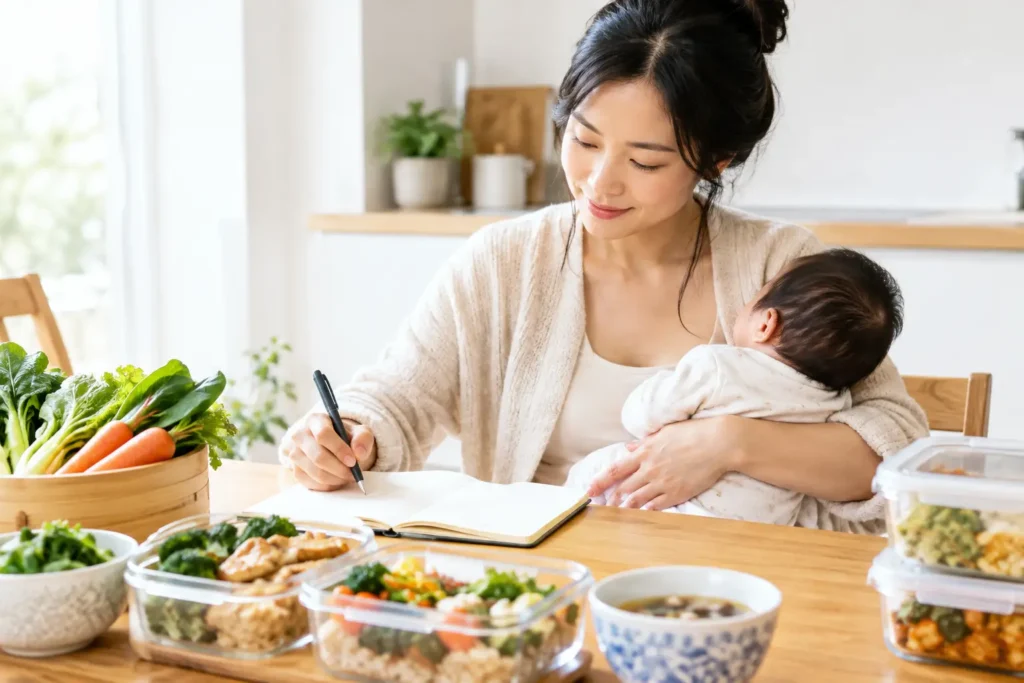
The first days after birth rarely leave room for deciding what to cook. You may be healing from delivery, feeding around the clock, managing visitors, and trying to rest whenever your baby rests. Learning how to plan postpartum meals before your due date can remove one daily decision and give your body steady, comforting nourishment when you need it most.
Your recovery deserves more than whatever happens to be in the fridge. A thoughtful postpartum meal plan is not about following rigid food rules or preparing picture-perfect dishes. It is about arranging warm, satisfying meals that are easy to eat, suited to your preferences, and dependable enough to support a calmer start to motherhood.
Start with your recovery, not a grocery list
The most useful meal plan begins with your likely needs after birth. Recovery looks different after a vaginal birth and a Cesarean birth, and it can change from one week to the next. Appetite, digestion, energy levels, breastfeeding, cultural practices, and help at home all matter.
In Traditional Chinese Medicine-informed confinement practices, meals are often chosen to feel warming, gentle, and restorative. Soups, slow-cooked proteins, ginger, sesame oil, red dates, and carefully selected herbs are common because they are comforting and easy to build into regular meals. These traditions can sit comfortably alongside modern nutrition: a meal still benefits from protein, vegetables, fiber-rich carbohydrates, and fluids.
Rather than trying to create a perfect menu, ask a few practical questions. Will you have someone who can cook? Do you expect to breastfeed? Are there foods you do not eat, allergies to accommodate, or ingredients that make you feel unwell? If you are recovering from a Cesarean birth, will standing at the stove or lifting heavy pots be realistic? Honest answers help you plan for the care you will actually need.
For medical dietary restrictions, significant blood loss, diabetes, high blood pressure, or concerns about milk supply, speak with your doctor or a qualified dietitian. Postpartum food should support your care plan, not replace it.
Build each postpartum meal around four basics
You do not need to count every nutrient or eat the same confinement dish every day. A simple framework makes planning easier while leaving room for the foods you genuinely enjoy.
Include a satisfying source of protein
Protein helps make meals more filling and is a practical priority while your body is recovering. Plan familiar options such as fish, chicken, eggs, tofu, lean meat, beans, or lentils. Soft fish soups, tender braised chicken, steamed egg dishes, and tofu with vegetables can be particularly welcome when appetite is low or you want something gentle.
If you are breastfeeding, regular meals and snacks can help you keep up with your own hunger. There is no single magic dish that guarantees milk production, but adequate overall food and hydration matter. Lactation-friendly ingredients can be a comforting addition, especially when they are part of a balanced meal rather than a source of pressure.
Add vegetables and nourishing carbohydrates
Vegetables bring color, texture, and a range of nutrients, while rice, oats, noodles, potatoes, sweet potatoes, and whole grains provide the energy that long days and broken nights demand. Warm cooked vegetables may feel more appealing than cold salads in early recovery, particularly for mothers following confinement traditions.
Think of meals such as salmon with rice and sautéed greens, chicken soup with vegetables and noodles, or a warming bowl of congee with egg and shredded chicken. These combinations are uncomplicated, but they offer more staying power than tea and toast between feeds.
Plan fluids into the day
Keep a large bottle or covered cup within reach of the place where you feed or rest. Water, warm soups, and caffeine-free drinks can all contribute to your fluid intake. If plain water feels unappealing, a lightly flavored warm drink or soup may be easier to sip regularly.
Coconut water can be refreshing for some mothers, especially in Singapore’s warm climate, but it is best treated as one option rather than the only hydration plan. If you have been advised to monitor sugar, fluids, or swelling, follow your clinician’s guidance.
Make room for comfort and variety
Food is also one of the few small pleasures available during an intense newborn day. A postpartum menu should not feel like a month-long punishment. Repeating a few reliable breakfasts is helpful, but lunches and dinners can still include Chinese, Japanese, Korean, Thai, and Western-inspired dishes that fit your recovery preferences.
Variety is especially valuable when family members are helping with meals. It reduces menu fatigue and makes it more likely that you will eat enough. Traditional nourishment can be deeply comforting without limiting every meal to one flavor profile.
Plan in phases instead of 28 identical days
A realistic approach to how to plan postpartum meals is to organize food by recovery phase. Your first week may call for the least effort and the most warmth. Stock or arrange ready-to-heat soups, rice dishes, soft proteins, easy snacks, and drinks that can be eaten one-handed.
During weeks two and three, many mothers appreciate more variety and slightly heartier meals. This is a good time for braises, fish dishes, grain bowls served warm, noodle soups, and vegetable-rich mains. By week four, your appetite and routine may be changing again, so flexibility becomes more useful than strict rules.
If you choose to prepare food yourself, aim for a small freezer collection rather than an ambitious month of batch cooking. Label portions clearly and prioritize meals that reheat well. Soups, stews, cooked grains, shredded chicken, and sauce-based dishes tend to be more forgiving than foods that need last-minute assembly.
Decide what should be prepared and what should be delivered
Many families underestimate how much planning, shopping, washing, cooking, and reheating a full postpartum menu requires. A freezer meal can be helpful, but it still needs space, safe storage, and someone with enough energy to heat and serve it. If your partner is returning to work quickly or your household does not have confinement support, a structured meal delivery plan can offer meaningful relief.
Look for delivery meals that are freshly prepared, arrive warm, and provide enough variety for repeated days. It also helps to choose a provider that understands postpartum preferences rather than treating recovery food as ordinary takeout. Ingredient quality, portion size, menu flexibility, and delivery reliability all matter when meals are part of your daily care.
At Shan Food, postpartum programs are planned with guidance from an experienced chef, a TCM professor, a clinical nutritionist, and lactation professionals. Mothers can enjoy TCM-informed nourishment through varied dishes and therapeutic soups, without needing to spend their recovery coordinating groceries or cooking. A trial meal is a gentle way to see whether the flavors, portions, and service fit your household before committing to a longer program.
Create a backup plan for difficult days
Even the best plan needs a little margin. Keep a few easy foods at home for delivery delays, cluster-feeding days, or moments when you need something immediately. Useful backups include shelf-stable soups, oatmeal, crackers, nut butter, dried fruit, hard-boiled eggs, yogurt if it suits your diet, and frozen rice or cooked grains.
Ask your partner, family member, or friend to learn the system before the baby arrives. Show them where meals are stored, which foods you prefer, how to reheat them, and what time you usually want lunch and dinner. The goal is not for you to manage the plan from bed. The goal is for nourishment to appear with as little effort from you as possible.
Give yourself permission to be cared for
Postpartum meal planning works best when it is treated as part of recovery, not another task you must perform perfectly. Some days you will enjoy a full, warm meal at the table. Other days, you may eat soup while holding your baby. Both count.
You have spent months caring for your baby. Now let the meals be one dependable way someone cares for you: warm, nourishing, and ready when you are.
FREE FOR MUMS
Eat well through your confinement
The HMC app guides you through your first 40 days after birth with daily nutrition, recovery and lactation tips, plus easy booking for classes and workshops.
Get the free HMC app →