


Uncategorized
Pregnancy Food Safety for Confident Eating
Aug
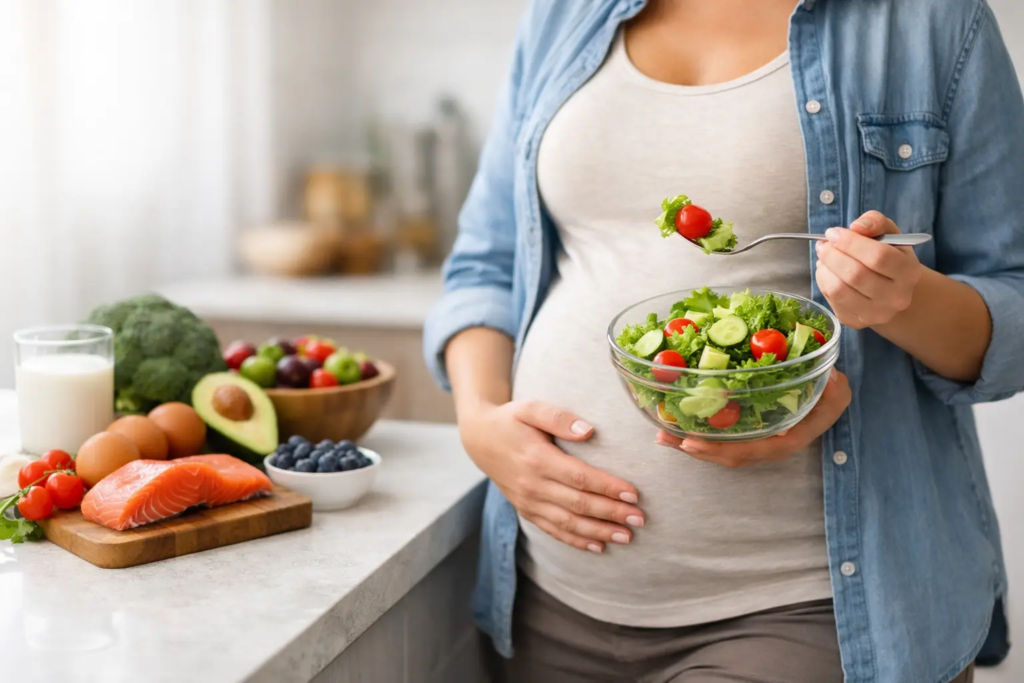
That leftover takeaway, runny egg, or chilled fruit cup can suddenly come with a question you never used to ask: is this safe for my baby? Pregnancy food safety is not about making every meal stressful. It is about knowing which everyday choices lower avoidable risks, so you can eat well, stay nourished, and feel more at ease.
Pregnancy brings enough decisions already. A few clear habits around cooking, storage, and ordering food can protect you from foodborne illness while still leaving room for satisfying meals, family favorites, and the foods that help you get through a day of nausea or fatigue.
Pregnancy Food Safety Starts With Fresh, Thoroughly Prepared Meals
During pregnancy, your immune system changes. That means infections from bacteria, parasites, or viruses in food can affect you more severely than usual and, in some cases, may harm your developing baby. The goal is not perfection. It is to take extra care with foods that are more likely to carry germs if they are raw, undercooked, unpasteurized, or poorly stored.
The most useful question is simple: Was this food cooked properly, kept at a safe temperature, and prepared hygienically? If the answer is unclear, choose a freshly cooked alternative.
Eggs should be cooked until both the whites and yolks are firm. This means skipping foods made with raw or lightly cooked egg, unless they clearly use pasteurized eggs. Meat and poultry should be fully cooked, without pink centers or bloody juices. For fish and shellfish, choose cooked preparations over raw sashimi, ceviche, or lightly seared dishes.
This does not mean meals need to feel plain. A well-cooked ginger chicken soup, steamed fish, vegetable stir-fry, or warming bowl of rice with tofu can be deeply comforting. Flavor can come from aromatics, herbs, naturally sweet vegetables, and carefully balanced sauces, rather than from risky preparation methods.
Be thoughtful with seafood, not fearful
Fish provides valuable nutrients, including protein and omega-3 fats that support your baby’s development. The balance lies in choosing lower-mercury fish and varying your choices across the week. Common lower-mercury options include salmon, sardines, anchovies, tilapia, and shrimp.
Avoid shark, swordfish, marlin, king mackerel, and tilefish because they tend to contain higher mercury levels. For local favorites, ask what type of fish is being served when possible, particularly if you are eating large predatory fish. If you have specific questions about seafood portions or your medical history, your obstetrician or dietitian can give advice tailored to you.
Foods That Need Extra Care During Pregnancy
Some foods are not automatically off limits, but they do need a closer look. Soft cheeses, for example, can be safe when made with pasteurized milk. Check the label or ask the restaurant. The same care applies to milk, yogurt, and juices: pasteurized options are the safer choice.
Deli meats, cold cuts, and refrigerated smoked seafood may carry listeria if eaten cold. If you would like them, heat deli meats until steaming hot and choose cooked seafood dishes instead of refrigerated smoked fish. Refrigerated pâté and meat spreads are best avoided during pregnancy, while shelf-stable versions may be safer when stored and used according to their labels.
Raw sprouts deserve caution too. Their growing conditions can allow bacteria to develop inside the sprout, where washing may not remove it. If you enjoy bean sprouts in noodles or salads, have them thoroughly cooked.
Pre-cut fruit, salad bowls, and ready-to-eat chilled foods are convenient, especially when appetite is low. Choose them from reputable outlets, check that they are properly chilled, and eat them promptly. At home, wash whole fruits and vegetables under running water before cutting. Even produce with a peel, such as melons or avocados, should be washed first so germs are not carried inside by the knife.
Safe Storage Matters as Much as Safe Cooking
A beautifully prepared meal can become unsafe if it sits out too long. In Singapore’s warm, humid weather, this is especially relevant. Perishable food should not stay at room temperature for more than two hours, and less time is better if the room is very hot.
Place leftovers in the refrigerator as soon as practical, ideally in shallow containers that cool quickly. Keep your fridge cold, at 40°F or below, and reheat leftovers until they are steaming hot throughout. When in doubt about how long a meal has been sitting out, it is kinder to yourself and your baby to let it go rather than take a chance.
Takeaway meals need the same attention. If you are not eating immediately, refrigerate the food instead of leaving it on the counter while you rest or attend an appointment. Avoid reheating the same portion repeatedly. Serve what you plan to eat, then store the rest promptly.
For mothers who are exhausted, nauseated, or managing a busy household, this is where dependable meal planning can make a real difference. Freshly prepared meals with clear delivery timing reduce the number of decisions around shopping, cooking, cooling, and reheating.
Keep raw and ready-to-eat foods separate
Cross-contamination is easy to miss. Use separate cutting boards or wash them thoroughly between raw meat and produce. Wash hands with soap and water before preparing food, after handling raw eggs or meat, and before eating.
In the refrigerator, keep raw meat and seafood sealed on a lower shelf so juices cannot drip onto fruit, cooked dishes, or leftovers. This small habit protects foods that will not be cooked again before you eat them.
Ordering Food With More Confidence
There will be days when cooking is not realistic, and you do not need to push through. When ordering, favor meals that arrive hot and are meant to be eaten fresh. Ask for eggs to be fully cooked, choose cooked fish or poultry, and request that raw sprouts be left out or cooked.
If you are craving a salad, choose an outlet you trust and eat it soon after delivery. If you are uncertain how long a meal has been in transit or whether it was kept at a safe temperature, a hot cooked dish is usually the more reassuring option.
Pregnancy nutrition is still about more than avoiding certain foods. Your body needs regular nourishment: protein for growth and repair, fiber-rich vegetables and whole grains for digestion, calcium-rich foods, iron-containing foods, and enough fluids. Food safety and balanced nutrition work together. A restrictive approach that leaves you hungry, worried, or unable to enjoy meals is rarely sustainable.
At Shan Food, our maternal-care team understands that reliable nourishment should feel like relief, not another task on your list. Our meals are planned with guidance from an experienced chef, TCM professor, clinical nutritionist, and lactation professionals, then freshly prepared and delivered warm. For mothers preparing for the months ahead or arranging care after birth, a trial meal can be a gentle way to experience thoughtful, satisfying nourishment without the pressure of planning it yourself.
When to Ask Your Care Team
Food safety advice can change based on your health needs. Speak with your obstetrician, midwife, or dietitian if you have gestational diabetes, severe nausea and vomiting, food allergies, anemia, digestive conditions, or concerns about weight gain. Personalized advice matters more than a one-size-fits-all food rule.
Contact your medical team promptly if you develop fever, severe stomach pain, repeated vomiting, diarrhea that does not settle, or flu-like symptoms after eating something you believe may have been unsafe. Most food worries do not become emergencies, but pregnancy is a good time to ask early and receive proper guidance.
You have spent so much energy caring for the little life growing inside you. Let your meals be one place where you can feel supported: choose food that is fresh, well prepared, and comforting, then give yourself permission to rest after you have eaten.