
Uncategorized
Are Thermal Tingkat Containers Safe for Meals?
Aug
A warm confinement meal arriving at your door should feel like one less thing to think about, not another concern on your list. Many mothers ask, “are thermal tingkat containers safe,” especially when they are recovering from birth, managing feeding schedules, and relying on delivered meals for daily nourishment.
The reassuring answer is yes, thermal tingkat containers can be safe for delivered meals when they are paired with careful food preparation, temperature control, hygienic handling, and prompt delivery. The container matters, but it is only one part of a much bigger food-safety process.
Are thermal tingkat containers safe for postpartum meals?
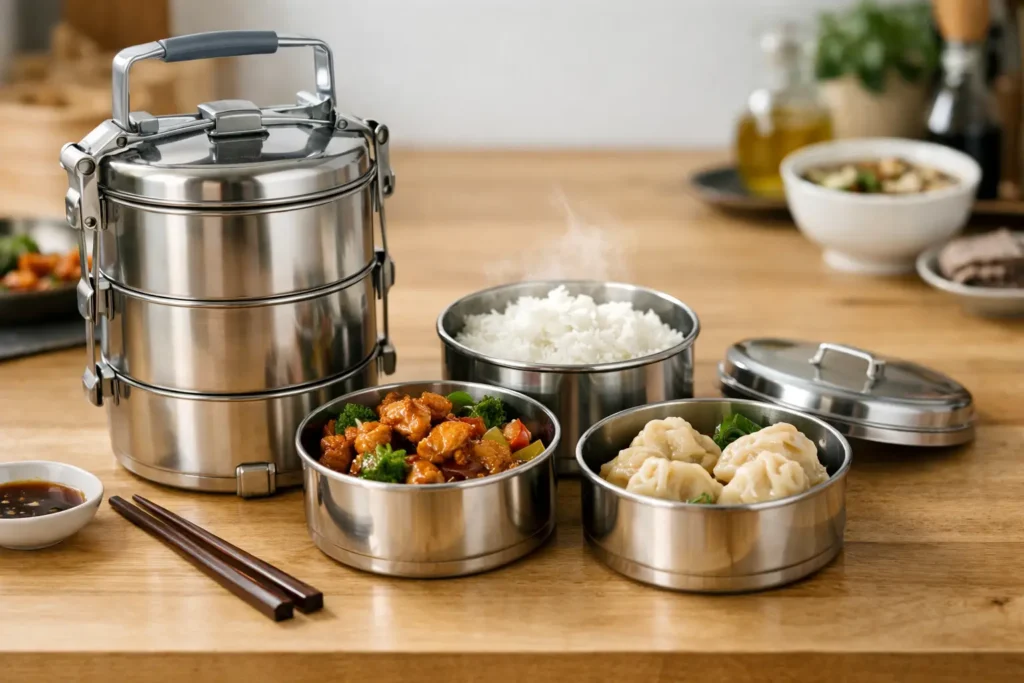
A thermal tingkat is designed to help hold the temperature of freshly cooked food during delivery. Its stacked compartments keep a full meal together while the insulated outer carrier helps reduce heat loss. For a mother receiving warm soups, proteins, vegetables, and rice, this is far more practical than opening several disposable boxes while caring for a newborn.
However, insulation does not make food safe indefinitely. A thermal carrier helps maintain warmth for a limited delivery window. Safe food handling depends on how the meal was cooked, packed, transported, received, and stored afterward.
That distinction matters. A meal may arrive in an excellent thermal container, but it still needs to be delivered promptly and handled thoughtfully once it reaches your home. A reliable confinement meal provider plans for the whole chain, not just attractive packaging.
What a thermal tingkat does – and does not – do
Thermal containers are useful because they help hot food stay warm between the kitchen and your doorstep. This supports both comfort and meal quality. Ginger chicken soup is more enjoyable when it is still warming, and steamed fish, braised meats, and nourishing vegetables retain their intended texture better when they have not gone cold in transit.
For postpartum mothers, warm meals can also be easier to fit into a recovery routine. You may be holding your baby when the doorbell rings or returning to your food after an unexpected feeding. A well-packed tingkat keeps the meal organized and reduces the need to replate everything immediately.
Still, a thermal tingkat is not a refrigerator, a freezer, or a substitute for reheating. It cannot safely hold food at the right temperature for an entire day. If you are not ready to eat right away, the next step matters: refrigerate the meal promptly once it has cooled enough, then reheat it thoroughly before eating.
Warmth supports quality, but time matters
Food safety professionals commonly focus on the time food spends at temperatures where bacteria can multiply more easily. That is why a dependable delivery schedule is so valuable. The shorter the time between cooking and receiving your meal, the better the provider can protect freshness and temperature.
In Singapore’s humid heat, this is especially relevant. Meals should not be left outside the door for long periods. If someone else is receiving your delivery, ask them to bring it indoors promptly rather than leaving it in a corridor, lobby, or car.
The safety questions that matter beyond the container
When choosing postpartum meal delivery, it helps to look beyond whether the carrier feels warm. Ask how meals are prepared, how deliveries are timed, and how reusable containers are handled between uses. These details tell you far more about a provider’s standards.
First, food should be freshly prepared in a clean kitchen using ingredients that are stored and handled correctly. Soups, fish, poultry, eggs, and dishes with gravy need particular care because they are moist and nutrient-rich. Good kitchen processes minimize unnecessary time between preparation, packing, and dispatch.
Second, the container should be suitable for food contact and in good condition. Reusable tingkat sets are practical and create less packaging waste than single-use containers, but they must be thoroughly washed and sanitized between uses. Lids should fit securely, compartments should be clean and undamaged, and the carrier should not retain odors or food residue.
Third, delivery should be coordinated, not treated as an afterthought. An insulated carrier is most effective when the route is planned sensibly and meals reach homes within the intended service window. If a delivery is unusually late or a meal arrives cold when it should be warm, contact the provider before consuming it.
Finally, clear guidance for reheating and storage gives mothers confidence. You should know whether to enjoy the meal upon arrival, refrigerate leftovers, or heat individual dishes again later. A good meal service does not assume you have the time or energy to guess.
How to handle delivered meals safely at home
Once your food arrives, take a quick look before putting your feet up. The meal should be securely packed, and hot dishes should still feel warm. If a lid is loose, a compartment has leaked heavily, or the meal has been left unattended for an extended time, speak with the delivery provider for advice.
If you plan to eat soon, serve yourself what you need and keep the rest covered. Try not to repeatedly open and close the tiers while deciding what to eat. This allows heat to escape and can affect the quality of dishes such as soups and steamed vegetables.
If you are saving food for later, move it to the refrigerator as soon as practical. Do not leave the tingkat on the dining table for hours while you nap or attend to your baby. When reheating, heat the food until it is steaming hot throughout, especially soups, meats, and gravies. Stir where appropriate so the center is heated as well as the edges.
It is also wise to use clean utensils each time you serve yourself. Returning a used spoon to a shared dish can introduce bacteria, even when the meal was carefully prepared. Small habits like this protect a meal that may need to carry you through a busy afternoon or evening feed.
Why thermal tingkat delivery works well during confinement
The appeal of a reusable thermal tingkat is not just warmth. It is the sense of order it brings to a demanding season. Each compartment can hold a considered part of your meal: a restorative soup, a satisfying protein, vegetables, and a staple that makes the meal feel complete rather than restrictive.
For mothers following TCM-informed confinement practices, warm delivery also suits the way many traditional dishes are enjoyed. Herbal soups, black vinegar dishes, sesame oil preparations, and ginger-forward recipes are typically most comforting when served warm. Yet good nourishment does not have to mean eating the same flavors every day. Variety can make it easier to eat consistently when your appetite and energy are changing.
At Shan Food, meals are freshly prepared and delivered warm in reusable thermal tingkat sets, with menus shaped by culinary experience and maternal-care guidance. That combination is intended to give mothers dependable nourishment without adding another planning task to their day.
When you should ask your meal provider for help
There is no need to feel embarrassed about asking practical questions before ordering a confinement meal plan. You are making an important decision during recovery, and clear answers are part of good care.
Ask about delivery timing if you live in a location with restricted access, have a newborn appointment, or need a family member to receive the meal. Ask about storage and reheating if you expect your baby’s feeding pattern to make meal times unpredictable. If you have food allergies, dietary restrictions, or specific post-Caesarean needs, raise them before your plan begins so the team can explain what may be possible.
A provider should also be able to explain how reusable containers are managed. You are not being difficult by asking. You are choosing the kind of reliable support that lets you focus more fully on healing, resting, and bonding with your baby.
If a warm, thoughtfully planned meal would make your recovery feel a little more manageable, consider starting with a trial meal. It is a simple way to experience the convenience, variety, and reassurance of having your nourishment cared for when you need it most.