
Uncategorized
When Should Mothers Start Confinement Meals?
Sep
The hours after birth can feel like a blur: feeding attempts, visitors, hospital checks, pain relief, and a baby who suddenly needs you around the clock. It is understandable to ask, when should mothers start confinement meals? For most mothers, the answer is simple: start as soon as you are comfortable eating after delivery, often on the day of birth or the following day.
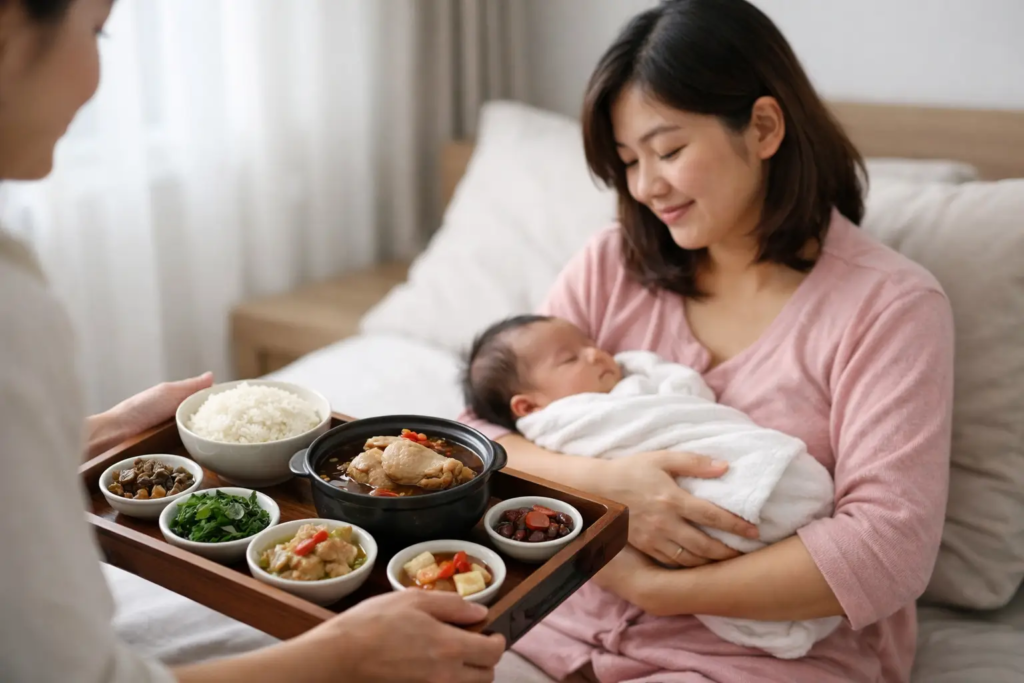
Your first meals do not need to be elaborate. What matters most is having warm, gentle, satisfying food ready when your body is beginning the work of recovery. A thoughtfully planned confinement meal service can remove the pressure of deciding what to eat while you are tired, sore, and getting to know your baby.
When Should Mothers Start Confinement After Birth?
Traditionally, confinement begins immediately after childbirth. In practical terms, this means many mothers begin postpartum meals in the hospital or once they return home. There is no need to wait until your milk comes in, until your hospital stay ends, or until a particular day on the calendar.
That said, the right starting point depends on your delivery, appetite, medical guidance, and how you are feeling. After an uncomplicated vaginal birth, some mothers can enjoy light, warm meals within hours. After a Cesarean birth, your care team may advise a gradual return to food, beginning with fluids or softer options as your digestion wakes up after surgery.
Follow your doctor’s and hospital team’s instructions first. Once you have been cleared to eat, confinement meals can offer practical support through regular, nourishing food that is easier to manage than last-minute takeout or home cooking.
The First Few Days: Start Gentle, Then Build
The early postpartum period is not a time to force yourself through large, heavy meals. Birth can leave you dehydrated, tired, constipated, or simply without much appetite. A well-planned menu starts gently and becomes more substantial as you settle into recovery.
Warm soups, tender proteins, cooked vegetables, grains, and easy-to-digest dishes can be especially comforting in those first days. In TCM-informed confinement care, warm foods and soups are commonly valued for helping mothers feel cared for and restored after the physical demands of birth. Modern nutrition also recognizes the value of regular meals with protein, carbohydrates, fluids, and a range of vitamins and minerals during postpartum recovery.
There is no single dish that guarantees healing or milk supply. Your needs are individual, and your appetite may change from one day to the next. The goal is dependable nourishment: food that gives you energy, supports your overall dietary needs, and feels enjoyable enough to eat consistently.
If You Deliver Vaginally
For many mothers recovering from a vaginal delivery, confinement meals can begin right away once eating feels comfortable. You may want lighter dishes on day one, then fuller meals as your hunger returns. If you have stitches, swelling, hemorrhoids, or constipation, drinking enough fluids and choosing fiber-containing foods can also make a meaningful difference to your comfort.
Ask your healthcare provider for guidance if you have significant blood loss, dizziness, ongoing nausea, or any concern about your recovery. Food is supportive care, but it should never replace medical attention when something does not feel right.
If You Have a Cesarean Birth
After a Cesarean birth, timing is often shaped by hospital protocols and how your digestive system responds after surgery. Some mothers start with clear fluids, then progress to softer foods before returning to regular meals. Once your doctor or nurse says you can eat normally, a confinement menu can make the days at home far easier.
A Cesarean recovery also comes with the realities of incision discomfort and limited movement. Standing to prepare meals, carrying groceries, and washing pots may be the last things you should have to think about. Having warm meals delivered can give you one less task while you rest, move carefully, and bond with your newborn.
Why Planning Before Delivery Helps
The best time to arrange confinement food is usually before your due date, even though meals begin after birth. Babies do not always follow the schedule, and the final weeks of pregnancy can be tiring. Organizing meals early means you are not comparing menus from a hospital bed or asking your partner to make decisions while everyone is exhausted.
If you are choosing a Singapore confinement meal delivery plan, consider starting with the expected delivery date and asking how date changes are handled if your baby arrives early or late. You may also want to check whether meals can be delivered to your home after discharge, whether weekend delivery is available, and whether the provider can accommodate dietary preferences or food restrictions.
A trial meal before delivery can be helpful if you are unsure what suits your taste. Confinement food should feel nourishing, but it should also be food you genuinely look forward to. Variety matters when you will be eating several meals a day for weeks.
What to Look for in a Confinement Meal Plan
The right plan should meet you where you are, not ask you to follow an overly rigid idea of postpartum eating. A mother who is breastfeeding, recovering from surgery, managing gestational diabetes after delivery, or caring for older children may need different support.
Look for meals planned with a clear purpose, including adequate protein, vegetables, carbohydrates, and comforting soups. Ask how the menu changes across the confinement period. Early days may call for gentler dishes, while later weeks may include a broader range of ingredients and flavors as your appetite and routine develop.
It also helps to choose a service that respects both tradition and enjoyment. You do not need to eat the same bland bowl of food repeatedly to care for yourself. Thoughtful confinement menus can bring TCM-informed ingredients into Chinese, Japanese, Korean, Thai, and Western-inspired dishes, so every meal feels less like a duty and more like a small moment of care.
Freshness and delivery reliability deserve equal attention. Warm meals delivered in reusable thermal tingkat sets can be particularly reassuring when you are feeding a newborn and cannot predict exactly when you will have a free moment to eat.
Supporting Breastfeeding Without Added Pressure
If you plan to breastfeed, it is natural to wonder whether you should begin special meals immediately. Regular nourishment and hydration are sensible priorities, especially because breastfeeding can make you feel hungry and thirsty more often. But your body’s milk production is influenced by many factors, including frequent milk removal, feeding support, rest where possible, and your own health.
Confinement soups and ingredients traditionally associated with lactation can be a comforting part of your meals, but they are not a substitute for help with a painful latch, low diaper output, or concerns about baby’s weight gain. Reach out to a lactation professional or your healthcare provider when you need individualized support.
The most helpful food plan is often the one that keeps you eating regularly. A warm soup between feeds, a balanced lunch that arrives on time, or an easy dinner you do not have to cook can protect a little of your energy during an intensely demanding season.
Give Yourself Permission to Be Cared For
Confinement is not about doing everything perfectly. It is a period to slow down where you can, accept help, and give your body the consistent nourishment it deserves. Whether you begin on the day you deliver, after your first hospital meal, or once you are home and cleared to eat, starting early can make recovery feel more supported.
At Shan Food, meals are developed with guidance from an experienced chef, a TCM professor, a clinical nutritionist, and lactation professionals, then prepared fresh for mothers who need dependable care. If you are planning ahead, consider arranging a trial meal or a 7-, 14-, or 28-day program before your due date. You have spent months caring for your baby. Now, let someone make it easier for you to sit down to a warm meal, rest, and heal in your own time.