
Uncategorized
Breastfeeding Nourishment Customer Case Study
Sep
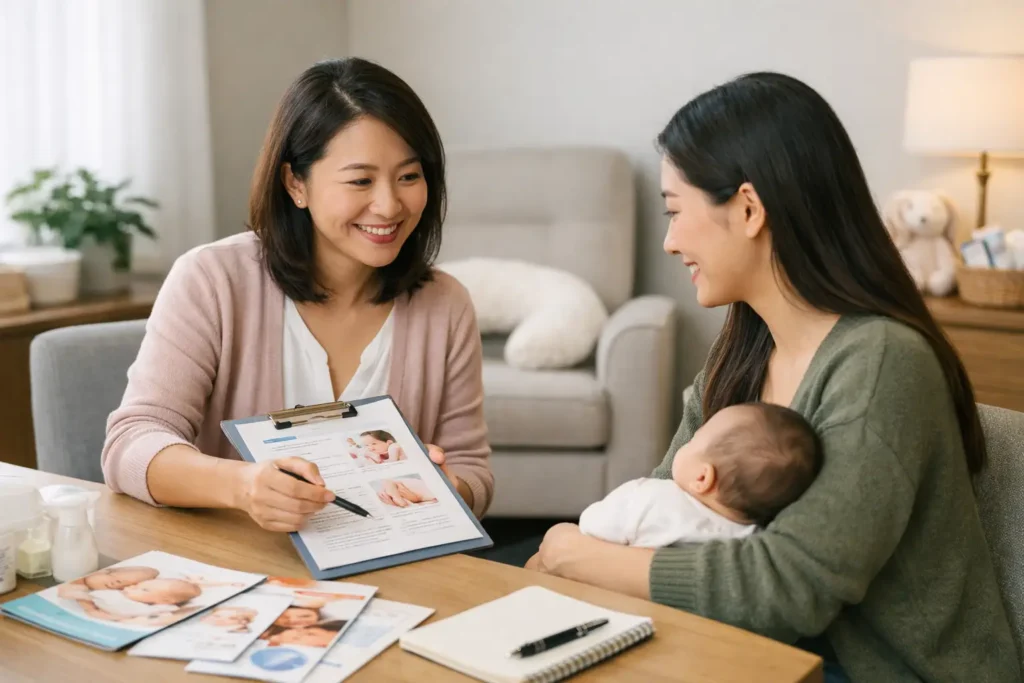
The first weeks of breastfeeding can make even simple decisions feel unexpectedly heavy. What should you eat? When will you have time to prepare it? And how do you care for yourself when your hands are full with feeds, recovery, and a newborn who needs you around the clock? This breastfeeding nourishment customer case study follows a representative Singapore mother’s experience of making postpartum meals one less thing to manage.
To protect mothers’ privacy, the profile below is a composite based on common needs shared by breastfeeding mothers and families arranging confinement support. Every recovery is different, but the concerns are deeply familiar: wanting warm, satisfying food, practical nourishment, dependable delivery, and a little more space to rest.
A mother who needed care she could count on
“Mei” was a first-time mother recovering from a Caesarean birth. Before delivery, she had planned to cook simple meals with help from her husband. Once she was home with her baby, that plan quickly became difficult. Her feeding schedule changed from day to day, she was moving more slowly than expected, and both parents were tired.
She did not want to rely on takeaway food for every meal. At the same time, she was not looking for a restrictive confinement menu she would struggle to enjoy for weeks. Like many breastfeeding mothers, Mei wanted meals that felt warm and supportive, with enough variety to make eating well feel comforting rather than like another task.
Her husband was also looking for a practical way to help. He could handle many household responsibilities, but planning ingredients, preparing multiple dishes, and making herbal soups every day was beyond what their new routine could comfortably hold.
The breastfeeding nourishment plan they chose
Mei’s family began with a trial meal before selecting a structured postpartum meal program. Trying a meal first gave them a clearer sense of the portion size, flavor, delivery experience, and the kind of support a regular meal plan could provide.
They chose warm meal delivery in reusable thermal tingkat sets, so lunch and dinner arrived ready to eat. For a mother who might only get a short window between feeds, that detail mattered. There was no need to cook, wash pots, or wait for food to be reheated after a long morning.
The meals were developed with guidance from an experienced chef, a TCM professor, a clinical nutritionist, and lactation professionals. This meant the family did not have to choose between traditional postpartum wisdom and food they genuinely looked forward to eating.
Rather than serving the same dishes on repeat, the menu brought together TCM-informed ingredients with familiar modern Chinese, Japanese, Korean, Thai, and Western flavors. One day might include a warming soup and steamed fish; another could offer a balanced protein dish with vegetables and a satisfying grain. The goal was not to promise a particular breastfeeding outcome. It was to give Mei regular, thoughtfully planned meals while her body recovered and she adjusted to motherhood.
What changed when meals stopped being a daily question
The most immediate change was not dramatic. It was simply that lunch and dinner were handled.
During the early days, Mei often ate at irregular hours. Having a warm meal delivered gave her an easier option when she finally had a moment to sit down. She and her husband no longer had to decide what to cook while they were both exhausted, and they spent less time worrying about grocery shopping or food preparation.
For Mei, variety was especially meaningful. Postpartum nourishment should feel supportive, but it should also be enjoyable enough to sustain over days and weeks. The changing menu helped her avoid the feeling that confinement food had to be bland, repetitive, or disconnected from the dishes she normally liked.
Her husband noticed a shift, too. Ordering a meal program was not a substitute for being present, but it gave him a reliable way to contribute to her care. He could focus on helping with the baby, checking that Mei had time to eat, and creating a calmer home environment rather than trying to become a full-time cook overnight.
Why warm, regular meals can matter during breastfeeding
Breastfeeding mothers have individual appetites, preferences, and nutritional needs. Some feel hungry often. Others may have little appetite at first, particularly while recovering from surgery or coping with interrupted sleep. A warm, balanced meal plan cannot replace medical advice or solve every breastfeeding concern, but it can make regular nourishment more realistic.
For Mei, the benefit was consistency. Each meal included a considered combination of protein, vegetables, carbohydrates, and soups or ingredients traditionally valued during confinement. She did not need to research every ingredient or make a fresh food decision several times a day.
This kind of support is particularly useful when family help is limited. In Singapore, many households do not have a live-in confinement nanny, and relatives may be balancing work, distance, or other caregiving commitments. Delivered postpartum meals can offer a dependable middle ground: more intentional than everyday takeaway, but less demanding than cooking from scratch.
TCM-informed care without losing the pleasure of food
Traditional Chinese postpartum nourishment often focuses on serving warming foods and carefully selected ingredients during recovery. At Shan Food, this approach is treated as a source of thoughtful meal planning, not a reason to make mothers eat food they dislike.
Mei appreciated that the menu felt modern while still respecting confinement principles. Fresh fish, therapeutic herbal soups, and other maternal-focused options could be included alongside dishes with brighter, more familiar flavors. For mothers who enjoy particular cuisines, variety can make it easier to stay engaged with the plan rather than counting down the days until it ends.
There are trade-offs to consider. A longer program offers more structure during the period when energy and time are often in shortest supply. A shorter plan may suit families with strong home support or mothers who want to test what works before committing further. Dietary needs, delivery schedules, and personal preferences should all be discussed before ordering.
A trial meal can be a helpful place to start. It gives a mother and her family the chance to experience the food, portioning, and service before deciding whether a 7-, 14-, or 28-day program feels right for their recovery period.
The practical details that made a difference
When mothers describe helpful postpartum care, convenience is rarely just about saving time. It is about reducing the number of decisions required when they are physically tired and emotionally stretched.
For Mei, warm delivery was one of the most valuable parts of the service. She did not need to coordinate a pickup or wonder whether the meal would arrive cold after a difficult morning. The reusable tingkat set also kept the experience organized, with dishes separated and ready for the table.
The family valued the feeling that the meals had been planned with purpose. That did not mean every day was effortless. Breastfeeding still required patience, recovery still took time, and newborn life remained unpredictable. But regular meals gave their day a small, dependable rhythm.
A gentler way to prepare for the fourth trimester
Mei’s experience reflects a simple truth: postpartum support does not have to wait until a mother is already overwhelmed. Planning nourishing meals before delivery can be one of the kindest preparations a family makes.
If you are expecting, recovering after birth, or arranging care for someone you love, consider beginning with a trial meal. Notice whether the food feels satisfying, whether the delivery fits your routine, and whether a structured plan would give you more room to rest and bond with your baby.
You have spent months caring for your baby. Let your own nourishment be cared for with the same thoughtfulness – one warm, satisfying meal at a time.