


Uncategorized
What Are the Nutritional Needs of a Pregnant Woman?
Jul
The question, what are the nutritional needs of a pregnant woman, often sounds simple until morning sickness, food aversions, workdays, and family meals make eating feel like another task to manage. Your body is doing extraordinary work, and it needs steady, practical nourishment – not perfection at every meal.
Pregnancy nutrition is about providing enough energy and key nutrients for your changing body and your baby’s development while keeping food safe and enjoyable. Your needs will vary with your trimester, pre-pregnancy health, activity level, dietary preferences, and whether you are carrying more than one baby. Your obstetrician or dietitian can give advice tailored to you, especially if you have diabetes, anemia, severe nausea, or other medical concerns.
What Are the Nutritional Needs of a Pregnant Woman?
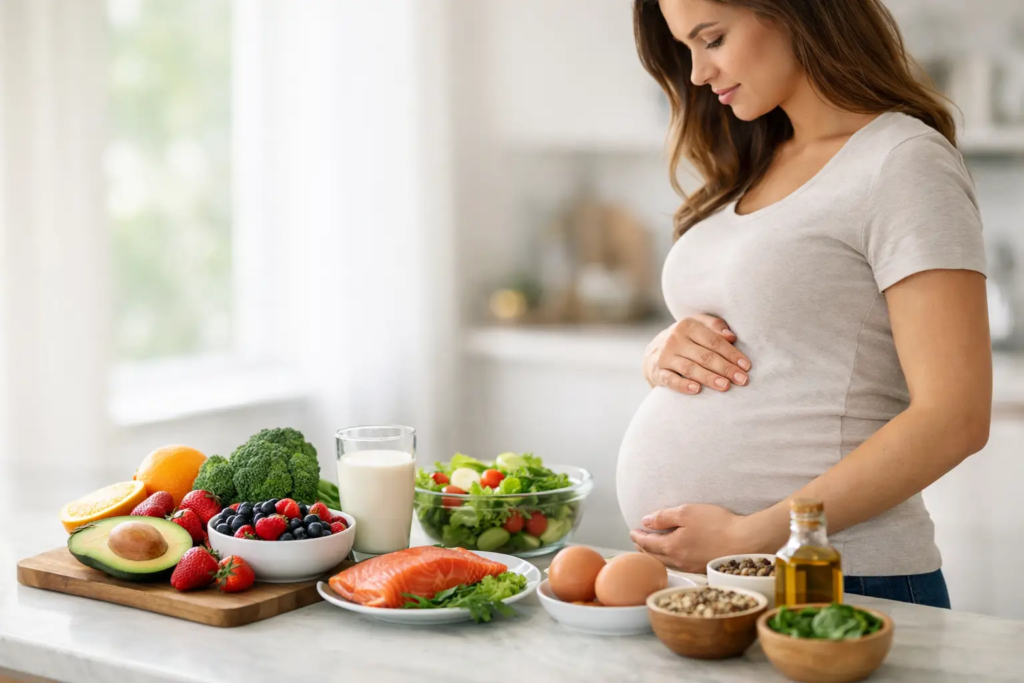
A balanced pregnancy diet centers on protein-rich foods, vegetables and fruit, whole grains or other nourishing carbohydrates, healthy fats, and calcium-rich choices. Supplements can help fill important gaps, but they do not replace regular meals with variety.
You do not necessarily need to “eat for two.” In the first trimester, many women need little or no extra energy beyond their usual intake. Hunger may increase in the second and third trimesters, when an additional snack or modest meal can be helpful. The aim is to respond to your appetite with nourishing foods, rather than focusing too closely on numbers.
Folate supports early development
Folate is especially important before conception and in the first weeks of pregnancy, when the neural tube is developing. Pregnant women generally need 600 micrograms dietary folate equivalents daily. Leafy greens, beans, citrus fruit, avocado, eggs, and fortified grains contribute folate, while a prenatal vitamin containing folic acid is commonly recommended.
If nausea makes vegetables unappealing, start where you can. A small bowl of soup with greens, a fruit smoothie made with pasteurized ingredients, or toast with avocado may be more manageable than a large meal. Consistency matters more than forcing yourself through foods that make you feel unwell.
Iron builds blood supply
Your blood volume rises substantially during pregnancy, which is why iron needs increase to about 27 milligrams per day. Iron helps make red blood cells that carry oxygen to you and your baby. Low iron can leave you feeling unusually tired, breathless, or lightheaded, although only a blood test can diagnose anemia.
Lean beef, chicken, fish low in mercury, eggs, tofu, lentils, beans, dark leafy vegetables, and iron-fortified cereals are useful choices. Pair plant-based iron foods with vitamin C, such as guava, oranges, kiwi, tomatoes, or bell peppers, to improve absorption. Tea and coffee taken with meals can reduce iron absorption, so it may help to enjoy them at a different time.
Protein helps meet growing demands
Protein provides building blocks for your baby, placenta, and the changes in your own tissues. A general target during pregnancy is around 71 grams daily, though individual needs differ. Rather than trying to reach that number in one sitting, include protein throughout the day.
Eggs at breakfast, fish or chicken at lunch, tofu in soup, yogurt as a snack, and beans with dinner can make the day feel more balanced. For vegetarian mothers, combining legumes, soy foods, dairy or fortified alternatives, nuts, seeds, and whole grains adds variety and helps cover protein needs.
Calcium, vitamin D, and choline deserve attention
Calcium supports your baby’s bones and teeth while helping protect your own stores. Most pregnant adults need 1,000 milligrams a day. Milk, yogurt, cheese, calcium-set tofu, sardines with bones, and fortified plant milks can all contribute. Vitamin D helps the body use calcium, and many women need a supplement depending on diet, sun exposure, and blood test results. Discuss the right amount with your care team.
Choline is less discussed, but it supports brain and spinal cord development. The pregnancy target is 450 milligrams per day. Eggs are one of the richest sources, with meat, fish, dairy, soy, beans, broccoli, and cauliflower also contributing. If you do not eat eggs or animal foods, ask whether your prenatal supplement includes choline.
Healthy fats include omega-3s
Omega-3 fats, particularly DHA, support fetal brain and eye development. Low-mercury fish such as salmon, sardines, trout, and anchovies are nourishing options. Many guidelines encourage two to three servings of low-mercury fish each week. If fish is not part of your diet, speak to your doctor about an algae-based DHA supplement.
Avoid high-mercury fish, including shark, swordfish, king mackerel, marlin, orange roughy, and bigeye tuna. Canned light tuna is generally a lower-mercury choice than albacore tuna, but variety is still wise.
Build Meals That Feel Realistic
A well-planned plate does not have to be complicated. Think of a meal as a simple combination: a protein, a colorful vegetable or fruit, a satisfying carbohydrate, and a little healthy fat. Rice, noodles, potatoes, oats, whole-grain bread, and other carbohydrates are not foods to fear. They provide energy, fiber, and comfort, particularly when nausea or fatigue is high.
A bowl of fish soup with rice and vegetables, chicken with brown rice and stir-fried greens, tofu with mushrooms and noodles, or oatmeal with yogurt, fruit, and nuts can all fit into a balanced pregnancy routine. Traditional soups can be comforting and nourishing too, but pregnancy is not the time to self-prescribe medicinal herbs. Some herbal ingredients are not suitable during pregnancy or may interact with medications. Check with your obstetrician or qualified TCM practitioner before taking herbal tonics, powders, or concentrated soups.
For mothers in Singapore, a busy day may mean relying on hawker meals or delivered food. Look for options with a clear protein source and vegetables, ask for less sauce when possible, and add fruit, milk, or yogurt later if the meal is light on calcium or fiber. This is not about making every order ideal. It is about making the next helpful choice.
Hydration, Fiber, and Managing Common Symptoms
Water supports circulation, digestion, and amniotic fluid. A practical target for many women is to sip regularly until urine is pale yellow, with more fluids needed in Singapore’s heat, after exercise, or if vomiting. Plain water is excellent, while soups, milk, and hydrating foods also count. If water worsens nausea, try small cold sips, ice chips, or water flavored with a slice of lemon.
Constipation is common as hormones slow digestion and iron supplements can add to the problem. Fiber from fruit, vegetables, oats, beans, brown rice, and whole-grain bread can help, but increase it gradually and drink enough fluids. Gentle movement, if approved by your doctor, may help as well.
For nausea, smaller meals every two to three hours are often easier than large portions. Dry crackers, plain toast, fruit, yogurt, ginger in food amounts, and cool meals may be better tolerated. Persistent vomiting, an inability to keep fluids down, or signs of dehydration deserve prompt medical advice.
Food Safety Is Part of Pregnancy Nutrition
The most nutritious meal is only helpful when it is safely prepared. During pregnancy, avoid alcohol entirely and keep caffeine below 200 milligrams daily. That includes coffee, tea, energy drinks, cola, and chocolate, so check portions and labels.
Choose pasteurized milk, cheese, and juices. Avoid raw or undercooked eggs, meat, seafood, and sprouts, as well as refrigerated smoked seafood unless it is cooked in a hot dish. Reheat leftovers until steaming, keep cold foods cold, and wash produce well. For meals ordered in, eat warm food promptly and refrigerate leftovers within two hours.
A prenatal vitamin is also a valuable safety net. Look for one recommended by your doctor that includes folic acid, iron, iodine, and vitamin D. Avoid doubling up on supplements or taking high-dose vitamin A products unless specifically directed, as too much preformed vitamin A can be harmful in pregnancy.
Care That Takes One Task Off Your Plate
There will be days when a balanced meal feels easy, and days when toast, fruit, and a nap are the best you can manage. Both belong in a real pregnancy. The goal is a nourishing pattern over weeks and months, supported by medical guidance and food that you genuinely want to eat.
If planning, shopping, and cooking are becoming one more source of pressure, a thoughtfully prepared pregnancy meal can offer welcome breathing room. Shan Food brings together chef-crafted dishes, clinical nutrition guidance, and TCM-informed food traditions in meals designed to be fresh, comforting, and varied. You have spent months caring for your baby. Let your nourishment be cared for, too.