
Uncategorized
What Is the Best Diet for a Pregnant Woman?
Aug
A queasy morning, a sudden hunger pang at 4 p.m., and a growing list of foods you are told to avoid can make eating during pregnancy feel far more complicated than it should. If you are asking, “what is the best diet for pregnant woman,” the reassuring answer is that there is no one perfect menu. The best approach is a varied, nourishing pattern of meals that supports your energy, your changing body, and your baby’s growth – without adding stress to an already full day.
What Is the Best Diet for a Pregnant Woman?
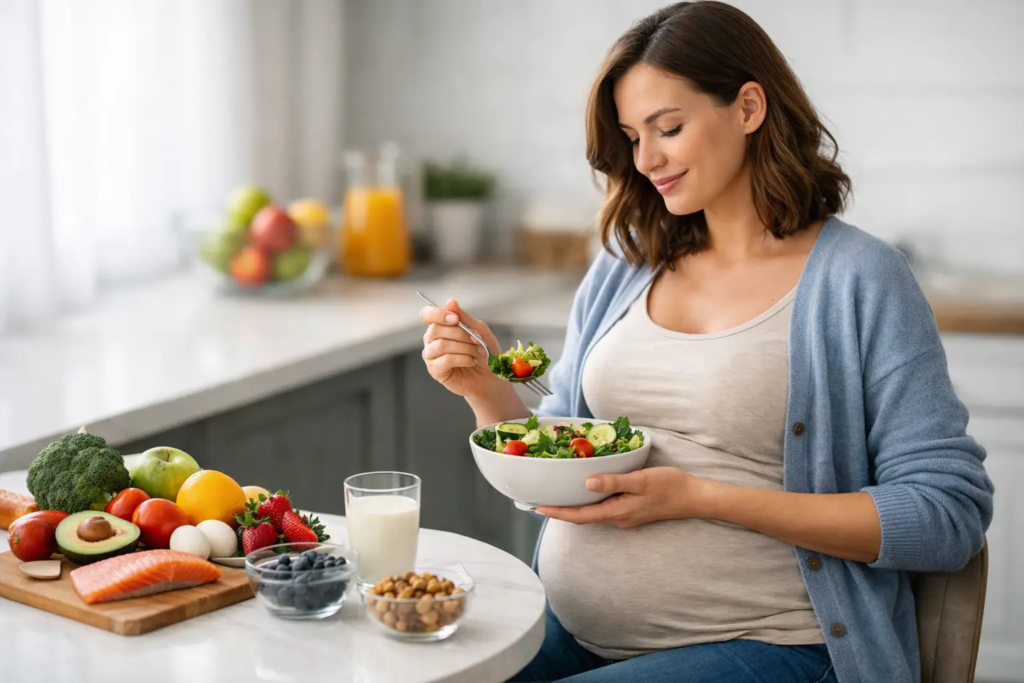
The best pregnancy diet is built around whole, familiar foods: vegetables and fruit, protein-rich foods, whole grains or other fiber-rich carbohydrates, healthy fats, and adequate fluids. It should also reflect your medical history, stage of pregnancy, appetite, cultural preferences, and any guidance from your obstetrician or dietitian.
Pregnancy is not a time for restrictive dieting or trying to eat perfectly. Some days, nausea may mean crackers and soup are all you can manage. Other days, you may feel hungry soon after a meal. Both can be normal. The goal is not perfection at every sitting. It is giving your body consistent nourishment over the course of the week.
You also do not need to “eat for two.” Nutrient needs rise during pregnancy, but the focus is on food quality and regular meals rather than simply doubling portions. A balanced plate is usually more helpful than a large, heavy meal that leaves you uncomfortable.
Build Meals Around Protein, Plants, and Steady Energy
A practical pregnancy meal includes a source of protein, a colorful plant food, and a carbohydrate that provides lasting energy. This combination can help you feel satisfied and may make it easier to manage energy dips between meals.
Protein is especially valuable because it supports your baby’s growth and your own changing tissues. Rotate choices such as well-cooked fish, eggs, chicken, lean meat, tofu, tempeh, beans, lentils, Greek yogurt, and pasteurized dairy products. If meat feels unappealing during the first trimester, softer options such as egg custard, tofu soup, yogurt, or lentil dishes may be easier to tolerate.
For carbohydrates, choose options that offer fiber and sustained energy when you can. Brown rice, oats, whole-grain bread, sweet potato, corn, quinoa, and beans are useful choices. White rice and plain noodles still have a place, especially when nausea or indigestion makes bland foods more manageable. Pairing them with protein and vegetables can create a more balanced meal.
Vegetables and fruit contribute fiber, vitamins, minerals, and variety. Aim for different colors across the day rather than forcing yourself to eat a large salad. Warm stir-fried vegetables, roasted pumpkin, tomato-based soups, fruit with yogurt, or a handful of berries can all count.
Healthy fats also matter. Avocado, nuts, seeds, olive oil, and oily fish can support overall nutrition and help meals feel more satisfying. Keep portions comfortable, particularly if heartburn is an issue.
Key Nutrients to Prioritize During Pregnancy
A prenatal vitamin recommended by your healthcare provider helps fill nutritional gaps, but it works alongside food rather than replacing it. Your care team may tailor supplements based on blood tests, diet, and pregnancy history.
Pay particular attention to these nutrients:
- Folate: Found in leafy greens, beans, citrus fruit, asparagus, and fortified grains. Folate is particularly important early in pregnancy, which is why prenatal supplementation is commonly recommended.
- Iron: Found in lean red meat, poultry, fish, eggs, legumes, tofu, dark leafy greens, and fortified cereals. Iron from plant foods is absorbed better when eaten with vitamin C-rich foods such as oranges, kiwi, tomatoes, or bell peppers.
- Calcium and vitamin D: Milk, yogurt, cheese, calcium-set tofu, fortified plant milks, and small fish eaten with bones can help support bone health. Your provider may recommend vitamin D depending on your individual needs.
- Choline: Eggs are a particularly useful source. Meat, fish, dairy, soy foods, and legumes also contribute.
- Omega-3 fats, including DHA: Low-mercury fish can be a valuable source. Well-cooked salmon, sardines, and trout are common options.
If you are vegetarian, vegan, lactose intolerant, carrying multiples, or managing conditions such as gestational diabetes, anemia, high blood pressure, or severe nausea, individualized advice matters. A dietitian and your obstetric care team can help you make a plan that is both safe and realistic.
Food Safety Is Part of a Healthy Pregnancy Diet
During pregnancy, food safety deserves the same attention as nutrient balance. Choose foods that are freshly prepared, thoroughly cooked, and stored properly. This lowers the risk of foodborne illness at a time when your immune system is changing.
Avoid raw or undercooked eggs, meat, seafood, and sprouts. Choose pasteurized milk, cheese, and juice. Reheat leftovers until steaming hot, and do not leave cooked meals at room temperature for long periods. Wash produce carefully, especially when eating it raw.
Mercury guidance can feel confusing, but you do not need to avoid fish altogether. Fish provides protein and beneficial fats. The key is choosing lower-mercury varieties and limiting larger predatory fish, such as shark, swordfish, king mackerel, marlin, orange roughy, and tilefish. Ask your healthcare provider for local guidance if you are unsure about a particular seafood choice.
Alcohol should be avoided during pregnancy. Caffeine is usually limited rather than eliminated, but the appropriate amount can vary, so follow your obstetrician’s advice. Be cautious with herbal teas, supplements, and traditional remedies too. “Natural” does not always mean pregnancy-safe, and some herbs may not be appropriate at certain stages of pregnancy.
Let Your Trimester and Symptoms Guide Your Meals
The best diet for a pregnant woman changes slightly as her needs and symptoms change. In the first trimester, frequent small meals can be gentler than three large ones. Keeping a dry snack near your bed, eating something plain before getting up, and choosing cool or lightly scented foods may help when nausea is strong.
During the second trimester, appetite often returns and energy may improve. This can be a good time to establish a comfortable rhythm of regular meals, planned snacks, and adequate fluids. Include protein at breakfast if possible – it can help prevent the midmorning crash that leads to reaching for whatever is easiest.
In the third trimester, your growing uterus may leave less room for large meals. Smaller portions eaten more often can reduce discomfort. If reflux is bothering you, avoid lying down soon after eating and consider limiting very spicy, greasy, or acidic foods if they trigger symptoms.
Constipation is another common concern. Fluids, fiber-rich foods, fruit, vegetables, oats, beans, and gentle movement can help. Increase fiber gradually, since adding too much too quickly can cause bloating.
Traditional Nourishment Can Be Supportive, With Thoughtful Choices
Many Singaporean families value TCM-informed food traditions during pregnancy and after birth. Warm soups, ginger used in food, nourishing proteins, and slow-cooked meals can be comforting and practical ways to eat well. The value often lies in the meal’s warmth, digestibility, and consistency – not in a promise to treat a medical condition.
Pregnancy is different from confinement, however. Herbs and concentrated herbal soups that are commonly used after delivery may not be suitable while pregnant. Always check with your obstetrician or a qualified practitioner before taking medicinal herbs, proprietary powders, or therapeutic tonics.
A thoughtfully planned meal service can make healthy eating more achievable when fatigue, work, and family responsibilities are competing for your attention. Shan Food’s pregnancy and maternal meals are developed with guidance from an experienced chef, TCM professor, clinical nutritionist, and lactation professionals, with fresh, warm dishes that bring together traditional nourishment and modern flavors. It is care designed to reduce the mental load of deciding what to eat.
Make Nourishment Easier on the Days You Need It Most
Keep your expectations kind and practical. Stock simple foods you genuinely enjoy: fruit, yogurt, whole-grain toast, eggs, soup, nuts, cheese, cooked rice, and easy proteins. If cooking feels impossible, a balanced delivered meal can be a meaningful form of support, not an indulgence.
Call your healthcare provider promptly if you cannot keep fluids down, have persistent vomiting, are losing weight unexpectedly, feel faint, or have concerns about your eating. You deserve clear, personal guidance – not pressure to manage every pregnancy change alone.
You have spent months caring for your baby from the inside out. Let each nourishing meal be one small way to care for yourself, too. When planning food feels like one responsibility too many, consider ordering a trial meal or speaking with a maternal nourishment team about support that fits your pregnancy and your household.