

Uncategorized
Vaginal Birth Recovery Foods for Healing
Aug
Your body has done demanding work. Even after an uncomplicated vaginal delivery, you may be managing soreness, bleeding, interrupted sleep, a tender pelvic floor, and the round-the-clock needs of a newborn. Choosing nourishing vaginal birth recovery foods is not about following a perfect diet. It is about giving your body steady support while you rest, heal, and get to know your baby.
The most helpful postpartum meals are warm, satisfying, easy to digest, and built around the nutrients your body uses during recovery. If you are breastfeeding, regular meals and fluids can also make the long days feel more manageable. You deserve care that does not add another decision to your already full plate.
What your body needs after a vaginal birth
Vaginal birth recovery looks different for every mother. A longer labor, stitches, significant blood loss, constipation, hemorrhoids, or breastfeeding can all change what feels comfortable and what support you need. Your doctor or midwife should guide any concerns about heavy bleeding, severe pain, fever, dizziness, or a wound that is not healing as expected.
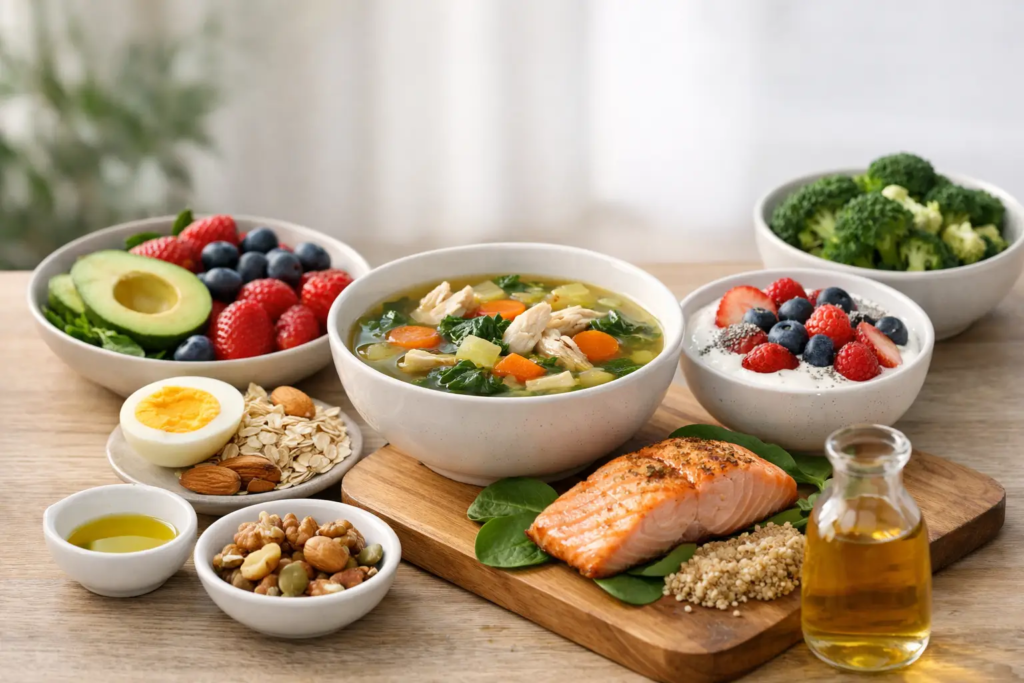
From a food perspective, the focus is practical: adequate protein to support tissue repair, iron-rich foods to help replenish stores after blood loss, fiber and fluids for comfortable bowel movements, and enough calories to sustain your energy. Traditional Chinese postpartum nourishment also places value on warm, cooked foods and soups that are gentle on digestion during confinement.
This does not mean every mother needs to eat the same dishes or avoid every cold food. Your appetite, cultural preferences, medical needs, and the weather in Singapore all matter. The goal is to build meals that feel comforting and nourishing, not restrictive.
Vaginal birth recovery foods to put on your plate
Protein for repair and lasting energy
Protein is a foundation of postpartum nourishment. Eggs, fish, chicken, lean pork, tofu, beans, and lentils can all contribute to tissue repair and help make a meal more filling. Eggs are especially convenient when appetite is low: they can be served in a soft steamed custard, a nourishing soup, or alongside rice and vegetables.
Fresh fish is another gentle, versatile option. It provides protein and, depending on the type, beneficial fats that support overall nutrition. A steamed fish dish with ginger and scallions, or fish soup with vegetables, is often easier to enjoy than a heavy, oily meal when you are tired or feeling tender.
For mothers following a vegetarian diet, tofu, tempeh, beans, lentils, dairy foods, and eggs can help meet protein needs. Because individual requirements vary, especially when breastfeeding, speak with your healthcare professional or dietitian if you are unsure whether your intake is enough.
Iron-rich foods after blood loss
Postpartum bleeding is normal, but it can leave some mothers feeling depleted. Iron supports red blood cell production, and foods such as lean beef, pork, chicken, fish, eggs, tofu, dark leafy greens, beans, and iron-fortified grains can be useful additions to recovery meals.
Pairing plant-based iron sources with vitamin C-rich foods may help your body absorb the iron more effectively. Think leafy greens with tomatoes, tofu with bell peppers, or a side of fruit such as kiwi, oranges, or guava. If your blood tests show anemia, food alone may not be enough. Follow your clinician’s advice about iron supplements and follow-up care.
Fiber, fluids, and soft foods for easier digestion
The first bowel movement after birth can feel intimidating, particularly if you have stitches or hemorrhoids. Constipation is common, and dehydration, iron supplements, and low appetite can make it worse. Gentle fiber from cooked vegetables, oats, brown rice, sweet potatoes, fruit, beans, and whole-grain foods can help support regularity.
Increase fiber gradually and drink enough fluids, since suddenly adding a great deal of fiber without water can cause bloating. Warm soups, porridge, stews, and water-rich fruits may be easier to manage when you are busy feeding a baby or recovering from a difficult night.
Prunes, pears, kiwi, and oats are practical choices for many mothers. If constipation is persistent, painful, or accompanied by severe abdominal symptoms, contact your healthcare provider rather than trying to manage it through food alone.
Warm soups with purpose
A bowl of soup can be far more than a side dish during confinement. Warm broths can contribute fluid, while ingredients such as chicken, fish, lean pork, tofu, mushrooms, leafy greens, red dates, ginger, and root vegetables add protein, vegetables, and familiar comfort.
In TCM-informed postpartum care, warming preparations are often chosen to support digestion and help mothers feel restored after childbirth. Ginger is commonly used for its warming character and aromatic flavor. Red dates are often included in traditional soups and teas for gentle sweetness. These ingredients can be part of a balanced diet, but they are not replacements for medical treatment when there are postpartum complications.
The best soup is one you can actually enjoy consistently. A clear fish soup may feel right one day, while a slow-simmered chicken and vegetable soup may be more appealing the next. Variety matters because recovery meals need to be sustaining over days and weeks, not just nourishing in theory.
Foods that can support breastfeeding mothers
Breastfeeding can increase hunger and thirst, but there is no single food that guarantees milk supply. Frequent, effective milk removal and lactation support are usually the biggest factors. Still, regular, balanced meals can help you feel more energized while feeding your baby.
Aim for meals with a protein, a carbohydrate, and vegetables or fruit. Rice with steamed fish and greens, chicken soup with noodles, tofu with vegetables and whole grains, or a comforting bowl of oats with fruit and nuts are all simple examples. Keep a water bottle nearby and drink to thirst. Many mothers also enjoy warm beverages or soups between feeds.
If you notice that a particular food seems to upset your own stomach, it is reasonable to adjust it. But broad food restrictions are rarely necessary without a clear medical reason. If you have questions about your baby’s symptoms or your milk supply, a lactation professional can provide more useful guidance than a long list of foods to avoid.
Make recovery meals easier to accept and enjoy
A nutritious meal is only helpful if you have the time and appetite to eat it. During the first weeks, large portions can feel overwhelming. Smaller meals with easy snacks between them may work better, especially if nausea, fatigue, or breastfeeding makes your hunger unpredictable.
Keep flavors gentle if you are sensitive, but do not assume confinement food must be bland. Well-prepared ginger chicken, Korean-style fish soup, Japanese-inspired steamed egg, Thai-style vegetable dishes, and comforting Chinese broths can all fit into a thoughtful postpartum menu. Different flavors may also help you keep eating when your appetite changes from day to day.
This is where dependable meal support can make a real difference. Shan Food’s postpartum menus are developed with guidance from an experienced chef, a TCM professor, a clinical nutritionist, and lactation professionals, bringing together traditional nourishment and modern dishes that mothers can look forward to. Warm meals delivered in reusable thermal tingkat sets mean one less task for you or your family to manage.
A simple rhythm for the first weeks
Rather than worrying about eating perfectly, try to create a steady rhythm: eat something nourishing within reach, include protein at meals, add cooked vegetables or fruit where possible, and keep fluids close by. If family members are helping, be specific about what would be useful: reheating soup, washing fruit, refilling water, or making sure you sit down for a proper meal.
A 7-, 14-, or 28-day recovery meal plan can also be a practical form of care, particularly when your household does not have full-time confinement support. It gives you reliable meals while leaving more room for rest, skin-to-skin time, and the small moments that matter with your baby.
You have spent months caring for your baby. Now let your meals care for you too. Start with foods that are warm, balanced, and genuinely enjoyable, and allow yourself to accept help while your body does the quiet, important work of healing.