

Uncategorized
Best Cuisines for Confinement Meals for New Moms
Aug
After birth, the question is rarely just, “What do I feel like eating?” When you are tired, sore, adjusting to feeding schedules, and caring for a newborn, food needs to feel comforting, purposeful, and easy to receive. The best cuisines for confinement meals are not limited to one tradition. They are cuisines that can be thoughtfully adapted around warm, nourishing ingredients, your recovery stage, and the foods you genuinely enjoy.
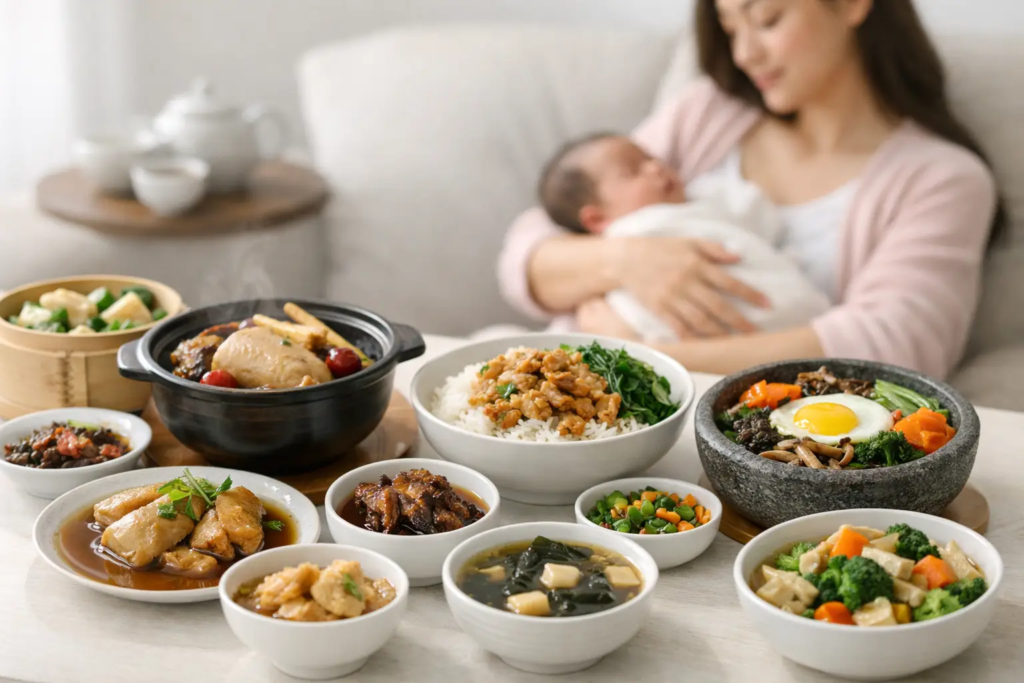
For many mothers in Singapore, traditional Chinese confinement food remains the foundation. Yet eating the same flavor profile day after day can make a carefully planned meal feel like another task. A wider mix of Chinese, Japanese, Korean, Thai, and Western-inspired dishes can bring welcome variety while preserving the principles that make postpartum meals feel supportive.
What Makes a Cuisine Suitable for Confinement?
Confinement nourishment is often guided by Traditional Chinese Medicine, or TCM, which takes a food-first approach to supporting the body after childbirth. In simple terms, meals commonly prioritize warm cooking methods, protein, iron-rich ingredients, fluids, and ingredients traditionally chosen to support a mother’s strength and circulation during her postpartum rest.
This does not mean every meal needs to be heavily spiced with ginger or served as a rich herbal soup. A suitable confinement cuisine can be gentle, balanced, and satisfying. It should also be flexible enough to account for whether you have had a vaginal or Caesarean birth, your appetite, food sensitivities, breastfeeding needs, and advice from your healthcare team.
The preparation matters as much as the cuisine itself. Steaming, braising, slow cooking, and stir-frying with appropriate ingredients can create meals that are warming and easy to enjoy. On the other hand, very oily dishes, heavily chilled foods, raw items, and excessively spicy preparations may not suit every mother, especially in the early days of recovery.
The Best Cuisines for Confinement Meals, Explained
Traditional Chinese: The Essential Foundation
Chinese cuisine is central to many confinement meal traditions because it offers a deep range of soups, braises, steamed dishes, and ingredient combinations shaped around postpartum care. Think tender fish, chicken with ginger, black vinegar dishes, nourishing broths, leafy greens, and slow-simmered soups with carefully selected herbs.
Its greatest strength is versatility. Chinese-style meals can provide familiar flavors while changing the protein, vegetables, soup, and seasonings each day. A bowl of double-boiled soup can feel deeply restorative when you have little appetite, while a well-portioned braised meat dish with rice and vegetables can provide a more substantial lunch.
Still, traditional does not have to mean repetitive. If you are facing 14 or 28 days of confinement meals, variety within the Chinese menu matters. Different textures, cooking methods, and flavors can make it easier to keep eating consistently when your days are long and sleep is short.
Japanese: Gentle, Clean Flavors With Comfort
Japanese-inspired confinement dishes can be a welcome option for mothers who prefer lighter, cleaner flavors. Warm rice bowls, grilled or steamed fish, chicken dishes, cooked vegetables, and mild soups can be adapted to fit postpartum needs without feeling bland.
This cuisine works especially well when careful attention is given to food temperature and preparation. Rather than raw seafood or chilled salads, consider warm cooked fish, soft tofu dishes, hearty rice, and soothing broths. These meals can feel simple and calming while still providing satisfying protein and carbohydrates.
Japanese flavors are not meant to replace Chinese confinement classics. They offer a thoughtful break between richer soups and braises, particularly for mothers who find that gentler seasonings help them eat more comfortably in the first weeks after birth.
Korean: Hearty Soups and Satisfying Cooked Dishes
Korean cuisine has many qualities that translate beautifully into modern confinement menus. Its warm soups, tender meats, cooked vegetables, and rice-based meals can be filling without being overly heavy. Seaweed soup, when thoughtfully prepared, is a familiar example often appreciated for its warming, comforting nature.
The key is moderation and adaptation. Korean food is sometimes associated with intense spice or fermented side dishes, but a confinement-friendly approach can focus on savory broths, mild marinades, beef or chicken soups, and well-cooked vegetables. A dish does not need high heat to be full of flavor.
For mothers who are used to Korean home cooking, these familiar meals can bring emotional comfort too. During confinement, food is not only about nutrients. It is also one of the small, dependable moments of care in a day that may otherwise feel unfamiliar.
Thai: Aromatic, Warming, and Bright
Thai-inspired dishes add fragrance and freshness to a confinement menu. Ingredients such as ginger, turmeric, lemongrass, and garlic can create appealing aromas and depth when used with balance. Warm chicken soups, gently seasoned fish, and cooked vegetables can offer a lighter but flavorful change from more traditional dishes.
This cuisine needs a careful hand. Not every Thai dish suits the early postpartum period, particularly those that are very spicy, acidic, or served cold. But a mild, warming Thai-style soup or braised dish can be an excellent choice for a mother who wants more flavor without sacrificing comfort.
Thai young coconut water may also be enjoyed by some mothers as part of a broader meal plan, depending on personal preference and guidance. It should not be treated as a replacement for balanced meals, hydration, or individualized medical advice.
Western: Familiar Comfort With a Nourishing Purpose
Western-inspired confinement meals are valuable because they meet mothers where their tastes already are. A tender chicken stew, slow-cooked beef dish, baked fish with cooked vegetables, or a hearty vegetable soup can be both familiar and nourishing when planned with postpartum needs in mind.
These dishes can be especially helpful for multicultural households, mothers who do not usually eat Chinese food every day, or families arranging meals for someone with different preferences. The goal is not to turn confinement food into ordinary takeaway. It is to use recognizable dishes as a vehicle for thoughtful portions, quality proteins, warming preparation, and nourishing ingredients.
A well-designed Western meal can also help prevent menu fatigue. If a mother is more likely to finish a comforting chicken stew than another bowl of soup, that preference deserves to be respected.
Variety Is Not a Luxury During Confinement
The right cuisine is ultimately the one you can enjoy consistently. Postpartum recovery does not follow a single script, and neither should every mother’s menu. Some mothers crave rich soups and ginger-forward dishes. Others have a sensitive appetite, need gentler flavors, or simply want a meal that feels like the food they loved before pregnancy.
This is why a blended menu can be more practical than a single-cuisine approach. It allows traditional TCM-informed nourishment to remain at the heart of your meals while giving you something different to look forward to each day. It can also make structured meal delivery easier for the whole household, especially when no family member has the time or confidence to cook several fresh dishes daily.
At Shan Food, menus are developed with guidance from an experienced chef, a TCM professor, a clinical nutritionist, and lactation professionals. The intention is simple: give mothers the benefits of purposeful confinement nourishment without asking them to settle for the same dishes on repeat. Meals are freshly prepared, delivered warm in reusable thermal tingkat sets, and planned to reduce one more source of stress during recovery.
How to Choose Meals That Feel Right for You
Start with your recovery needs, then consider your preferences. If you are recovering from a Caesarean birth, have dietary restrictions, or have been given specific advice by your doctor, follow that guidance first. A reliable confinement meal provider should make it easy to communicate your needs rather than expect you to fit a one-size-fits-all menu.
Next, think realistically about a full confinement period. A trial meal can help you assess portion size, flavor, freshness, and whether the menu feels satisfying. Look for a balance of protein, vegetables, staple carbohydrates, and soups, along with enough variety to make a 7-, 14-, or 28-day plan feel sustainable.
Most of all, choose care you can depend on. You have spent months caring for your baby. Now, let your meals take care of you too. Consider starting with a confinement meal trial and give yourself one less thing to plan while you rest, heal, and bond with your new baby.