
Uncategorized
12 Postpartum Meal Examples for Recovery
Aug
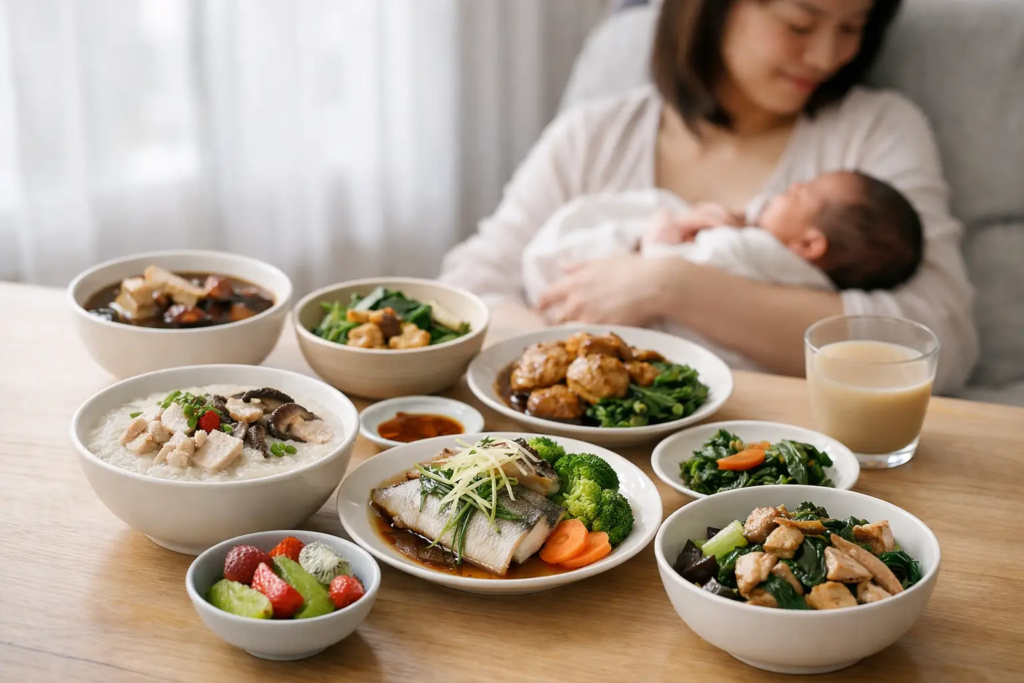
The days after birth can make even a simple question like “What should I eat?” feel like one more thing to solve. These postpartum meal examples are designed around what many new mothers need most: warm, satisfying food that supports rest, regular nourishment, and the demanding work of caring for a newborn.
Traditional Chinese confinement food often focuses on warm-cooked dishes, quality protein, vegetables, soups, and ingredients selected to suit different stages of recovery. But nourishing postpartum food does not have to mean eating the same ginger-heavy meal every day. A well-planned menu can honor TCM-informed principles while including familiar Chinese, Japanese, Korean, Thai, and Western flavors that make every meal more enjoyable.
What Makes a Good Postpartum Meal?
After delivery, your appetite, energy needs, and preferences may change from day to day. You may be recovering from a vaginal birth or a Caesarean birth, adjusting to breastfeeding, managing visitors, or simply trying to eat between feeds. The goal is not perfection. It is having dependable meals that are easy to eat, filling enough to sustain you, and thoughtfully balanced.
A practical postpartum plate usually includes protein for satisfying meals, carbohydrates for steady energy, cooked vegetables for fiber and variety, and a nourishing soup or warm drink where appropriate. In TCM-informed confinement traditions, meals are often adjusted progressively, beginning with gentler foods and gradually introducing a wider range of ingredients as the mother regains strength.
Your own needs matter, too. Some mothers have dietary restrictions, food aversions, gestational diabetes considerations, allergies, or medical advice that changes what is suitable. If you have a health concern or are recovering from complications, follow guidance from your doctor or dietitian alongside your meal plan.
Postpartum Meal Examples for Every Part of the Day
1. Ginger Sesame Chicken With Brown Rice
Tender chicken cooked with ginger and sesame oil is a familiar confinement-style choice, especially when served with brown rice and blanched leafy greens. Chicken provides protein, while rice gives a comforting source of energy. Ginger is traditionally included in postpartum cooking for its warming character and fragrant flavor.
For mothers who find sesame oil too rich in the first few days, portion size and timing can be adjusted. A balanced confinement menu should feel comforting, not overwhelming.
2. Steamed Fish With Tofu and Spinach
Fresh steamed fish is light, delicate, and easy to pair with soft tofu, spinach, and a bowl of rice. It is a useful option when you want a meal that feels nourishing without being too heavy. The gentle preparation also allows the natural flavor of the fish to shine.
Variety matters here. Rotating fish, chicken, lean pork, eggs, and plant-based proteins can help prevent menu fatigue during a 14- or 28-day confinement period.
3. Black Bean Chicken Soup With Red Dates
A slow-simmered herbal soup can turn a meal into a moment of rest. Black bean chicken soup with red dates is commonly enjoyed during confinement for its rich, rounded taste and warming quality. Pair it with a simple protein dish, vegetables, and rice so the soup complements the meal rather than becoming the only thing you manage to eat.
Herbal soups should be prepared with care, especially if you are taking medication or have a specific medical condition. Thoughtful menus use ingredients purposefully, rather than adding herbs simply because they sound traditional.
4. Salmon Teriyaki With Sesame Vegetables
Postpartum nourishment can still feel modern and familiar. A lightly glazed salmon teriyaki meal with rice and cooked sesame vegetables offers a Japanese-inspired alternative to classic confinement dishes. Salmon provides satisfying protein and healthy fats, while the savory-sweet flavors can be especially welcome when your appetite needs encouragement.
The key is balance. A postpartum meal does not need to be bland to be appropriate, but overly salty, greasy, or heavily processed food may leave some mothers feeling uncomfortable or thirsty.
5. Korean-Style Beef With Seaweed Soup
Tender beef with rice, sautéed vegetables, and a warm bowl of seaweed soup is another nourishing option for mothers who enjoy Korean flavors. Seaweed soup is traditionally associated with postpartum care in Korean culture, while beef makes the meal feel substantial and satisfying.
This is also a reminder that confinement food can reflect many food traditions. The best meal plan offers enough variety that you can look forward to opening the tingkat each day.
6. Thai-Style Turmeric Fish With Warm Vegetables
Turmeric, ginger, and aromatic herbs can bring brightness to a warm fish dish without making it too spicy. Served with cooked vegetables and rice, Thai-style turmeric fish is a flavorful option for mothers who miss bolder tastes but still want a gentle, well-rounded meal.
Spice tolerance varies after birth. If you are prone to heartburn, have a sensitive stomach, or are uncertain how certain flavors affect you while breastfeeding, choose milder preparations first and build from there.
7. Braised Pork With Sweet Potato and Greens
Slow-braised pork with sweet potato and dark leafy greens offers a hearty, home-style meal for days when you feel particularly hungry. The soft texture is comforting, and the sweet potato adds a naturally sweet carbohydrate option beyond rice or noodles.
A richer dish can work well when it is balanced by vegetables and a clear soup. It is not about avoiding all indulgent flavors. It is about creating meals that leave you comfortably full and cared for.
8. Chicken and Mushroom Congee With Egg
For a tired morning, a late-night meal, or a day when your appetite is low, chicken and mushroom congee can be deeply reassuring. Add an egg and vegetables for extra substance. Its soft, warm texture makes it a practical choice when you are eating one-handed with a baby nearby.
Congee is often seen as a lighter meal, so make sure it contains enough protein and nourishing ingredients to carry you through the next feed or nap window.
9. Beef and Tomato Noodles in Soup
A warm bowl of beef and tomato noodles offers familiar comfort with protein, carbohydrates, and a soothing broth. This Western-Chinese style meal can be a welcome break from rice-based dishes, particularly for mothers who need more menu variety to keep eating consistently.
Choose a broth that is flavorful but not excessively salty. Hydration is valuable after birth, but soup alone does not replace regular fluids throughout the day.
10. Egg, Tofu, and Vegetable Rice Bowl
Eggs, silken tofu, and cooked vegetables over rice create a mild, versatile meal that can suit many tastes. It is a useful example of how simple ingredients can still be purposeful. The soft textures are easy to eat, and the protein combination helps make the bowl more filling.
For vegetarian mothers, tofu, eggs, legumes, mushrooms, and dairy where suitable can help create satisfying meals. A care team should know your preferences before preparing your plan.
11. Papaya Fish Soup With Rice
Papaya fish soup is a popular choice among breastfeeding mothers because it is warm, hydrating, and comforting. While no single food can guarantee milk supply, regular meals, enough fluids, frequent feeding or pumping, and appropriate lactation support all play a role. Think of this soup as a nourishing part of your routine, not a promise in a bowl.
Enjoy it with rice and a cooked side dish so you receive a complete meal, particularly during the hungry early weeks.
12. Red Date Oatmeal With Nuts and Fruit
Breakfast deserves more attention during postpartum recovery. Warm oatmeal with red dates, nuts or seeds, and fruit can provide a calm, easy start to the day. If you prefer a savory breakfast, consider a warm egg dish with toast and cooked vegetables instead.
The best breakfast is one you will actually eat before the morning becomes busy. Keep it warm, satisfying, and ready when you are.
Why Structured Meals Can Make Recovery Easier
When you are healing and caring for a newborn, planning every meal can become an invisible burden. Shopping, chopping, cooking, washing up, and deciding what suits each stage of confinement takes energy that many mothers simply do not have.
A structured meal delivery plan removes that daily calculation. At Shan Food, menus are developed with guidance from an experienced chef, TCM professor, clinical nutritionist, and lactation professionals, then delivered warm in reusable thermal tingkat sets. This gives mothers the reassurance of fresh, varied meals without asking the household to become a confinement kitchen overnight.
A trial meal can be a gentle place to begin if you are deciding what flavors and portion sizes suit you. From there, a 7-, 14-, or 28-day plan can provide steady nourishment through the early days when consistency matters most.
You have spent months caring for your baby. Let your meals be one reliable part of the day that cares for you, too.