
Uncategorized
Pregnancy Diet Myths Worth Letting Go Of
Aug
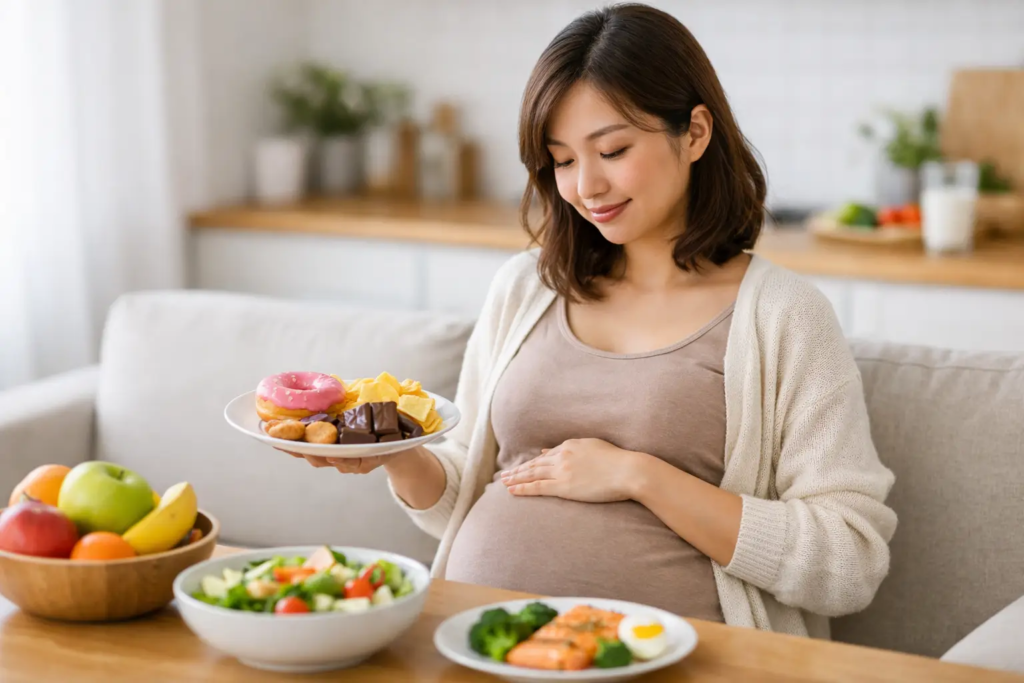
The moment you share your pregnancy news, food advice often arrives right behind it. Someone may tell you to eat for two. Another person may insist that pineapple, cold drinks, or certain herbs are completely off-limits. These pregnancy diet myths can turn an ordinary meal into one more decision to worry about when your body is already working hard.
You do not need a perfect diet to nourish a growing baby. What you need is a steady, varied pattern of eating, sensible food-safety habits, and advice that fits your own health needs. If you have nausea, gestational diabetes, anemia, high blood pressure, food allergies, or a multiple pregnancy, your obstetrician or dietitian can help tailor that plan.
Pregnancy Diet Myths That Create Unnecessary Stress
Myth: You need to eat for two
Pregnancy increases your nutritional needs, but it does not usually mean doubling every meal. In the first trimester, many women do not need extra calories at all. Needs may rise later in pregnancy, but the right amount depends on your body, activity level, pre-pregnancy weight, and how your pregnancy is progressing.
Rather than forcing large portions, aim for meals that offer more nourishment in each bite. Protein, whole grains, vegetables, fruit, calcium-rich foods, and healthy fats all have a place. A bowl of fish soup with vegetables and rice, eggs with toast and fruit, or yogurt with oats and nuts can be more supportive than simply eating twice as much.
If heartburn or fullness makes bigger meals uncomfortable, smaller meals and satisfying snacks throughout the day may feel better. Appetite changes are common. Listening to your hunger and fullness cues is often more useful than following a rigid rule.
Myth: Healthy pregnancy food has to be bland
Plain crackers may be helpful on a nauseated morning, but pregnancy nourishment does not have to mean months of flavorless food. Ginger, garlic, sesame oil, scallions, turmeric, mild spices, citrus, and fresh herbs can make meals genuinely enjoyable.
The practical question is not whether food has flavor. It is whether it is prepared safely and sits comfortably with you. Spicy foods do not harm a baby simply because they are spicy, though they can worsen heartburn or indigestion for some mothers. If a certain dish leaves you uncomfortable, scale it back. If you enjoy it and feel well afterward, there is usually no reason to make every meal dull.
This matters because enjoyable food is easier to eat consistently. When nausea, fatigue, or changing tastes make meals difficult, familiar flavors and warm, well-balanced dishes can be a real source of comfort.
Myth: All seafood is unsafe during pregnancy
Seafood is one of the most misunderstood foods in pregnancy. The concern is not that all fish is harmful. The concern is mercury, which can be higher in some large predatory fish. At the same time, lower-mercury seafood can provide protein, iodine, vitamin D, and omega-3 fats that support a balanced pregnancy diet.
Well-cooked fish such as salmon, sardines, trout, and other lower-mercury choices can be worthwhile additions to your week. Avoid raw or undercooked seafood, and ask your doctor for specific guidance if you are unsure about a particular type of fish or local catch.
Variety matters here, too. You do not need to rely on one “perfect” protein. Rotate fish with eggs, poultry, lean meat, tofu, beans, lentils, and dairy or fortified alternatives. A varied plate is often easier to maintain and more reassuring than trying to follow a long list of supposed superfoods.
Myth: You must avoid all caffeine
Many mothers feel anxious after a single cup of coffee, especially when advice from family and social media conflicts. The more accurate message is moderation. Current medical guidance commonly allows a limited amount of caffeine during pregnancy, but caffeine is found in more than coffee. Tea, cola, energy drinks, chocolate, and some supplements can add up.
A small coffee or tea may be part of your day if your maternity care provider agrees. It may also be worth reducing caffeine if it worsens anxiety, nausea, palpitations, or sleep. Energy drinks are best avoided because they can contain high caffeine levels and additional ingredients that are not well studied in pregnancy.
The goal is not guilt. It is knowing what is in your cup and choosing an amount that supports your wellbeing.
Myth: Cravings tell you exactly what your body needs
Cravings are real, and they can be intense. They may be shaped by hormones, nausea, culture, memories, convenience, and changing senses of taste and smell. A craving for ice cream does not necessarily mean your body has diagnosed its own calcium requirement, just as a sudden dislike of meat does not automatically signal a deficiency.
There is room for the foods you are craving, especially when they bring comfort or help you get enough to eat. The helpful approach is to add nourishment around them. Pair a sweet snack with yogurt or fruit. If fried foods are all that sound appealing on a difficult day, balance them with soups, vegetables, and protein when you can.
One exception deserves prompt care: cravings to eat non-food items such as ice, clay, paper, or starch should be discussed with your doctor. They can sometimes be associated with iron deficiency or another concern that needs assessment.
Myth: Traditional foods are either a cure or something to fear
Traditional food wisdom can be deeply meaningful, particularly in Chinese families where warm soups, ginger, black sesame, red dates, and carefully prepared proteins are part of maternal care. These foods can be comforting, nourishing, and practical, but they do not replace prenatal care, prescribed supplements, or individualized medical advice.
From a TCM-informed perspective, pregnancy meals are often chosen to feel gentle, warming, and easy to digest. That can be a useful framework when it encourages regular, satisfying meals. Still, not every herbal ingredient is appropriate for every pregnancy, and “natural” does not automatically mean safe.
Be especially cautious with concentrated herbal tonics, medicinal teas, and supplements that have not been cleared by your obstetrician. A soup made with familiar culinary ingredients is different from a potent herbal preparation. When in doubt, ask what is in it, how concentrated it is, and whether it suits your stage of pregnancy.
What Matters More Than Pregnancy Diet Myths
A supportive pregnancy diet is usually less dramatic than the internet makes it sound. It is built from regular meals, adequate fluids, a mix of protein and fiber-rich carbohydrates, colorful produce, and foods that provide calcium and iron. Prenatal vitamins can help fill nutritional gaps, but they work alongside food, not instead of it.
Food safety deserves attention without taking over your life. Wash produce, cook meat, poultry, eggs, and seafood thoroughly, and avoid unpasteurized milk products and juices. Refrigerate leftovers promptly and reheat them until steaming hot. These small routines reduce risk far more effectively than cutting out long lists of ordinary foods.
There will also be days when the ideal plate is not realistic. First-trimester nausea, work schedules, constipation, and sheer exhaustion can change what you can manage. On those days, dry toast, noodles, fruit, a simple egg dish, or a nourishing soup still count as eating. Consistency over time matters more than any one meal.
Preparing for Nourishment After Birth
Pregnancy is also a good time to think ahead about the weeks after delivery. Recovery, breastfeeding, night feeds, and caring for a newborn can make shopping and cooking feel far more difficult than expected. Planning dependable meals before your baby arrives is not indulgent. It is a practical way to protect your rest and give your family one less task to manage.
For mothers in Singapore who want TCM-informed confinement meals with modern variety, Shan Food offers warm, freshly prepared meals planned with guidance from culinary, TCM, nutrition, and lactation professionals. Its trial meals can be a gentle way to see which dishes and portions feel right for your household before committing to a structured recovery plan.
As you prepare for birth, give yourself permission to step away from food rules that create fear. Choose meals that are safe, satisfying, and suited to your own needs, then arrange the support that will let you rest when your baby is here. You have spent months caring for your baby. Your recovery deserves care, too.