
Uncategorized
A Caesarean Recovery Meal Success Story in Singapore
Aug
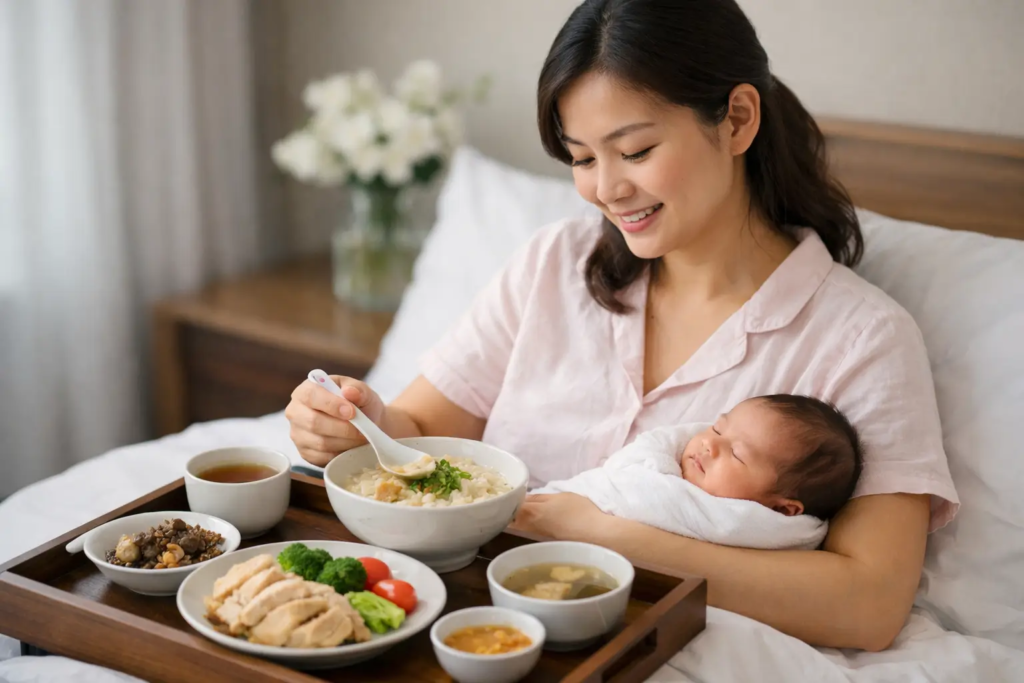
The best caesarean recovery meal success story is rarely about a mother doing everything perfectly. It is about making the days after surgery feel more manageable: a warm lunch arrives when getting up is difficult, dinner is already planned when baby will not settle, and someone has thought carefully about her nourishment while she rests.
After a Caesarean birth, recovery has its own pace. There is a surgical incision to care for, fatigue to work through, hormones shifting, night feeds beginning, and a baby to get to know. Food cannot replace medical care or guarantee a certain recovery timeline. But dependable, thoughtfully planned meals can remove a significant daily burden at a time when rest matters deeply.
What a Caesarean recovery meal success story can look like
For many mothers in Singapore, the difficult moment is not realizing they need help. It is realizing it at 5 p.m., when they are sore, hungry, holding a newborn, and wondering what the household will eat. Even with a caring partner or family nearby, planning groceries, preparing ingredients, and cooking several nourishing meals each day can be exhausting.
Consider a mother returning home after an unplanned C-section. She had expected to cook simple confinement dishes with her family, but moving around the kitchen was more uncomfortable than she anticipated. Her partner could manage baby care and the basics at home, yet neither of them had the time or confidence to prepare a varied postpartum menu every day.
A structured meal program changed the rhythm of their first weeks. Instead of asking, “What can I eat today?” she received warm meals in the afternoon and evening. Her partner did not have to make last-minute food decisions. Her family could visit, help with the baby, and encourage her to rest rather than spending hours sourcing ingredients.
That is the meaningful part of the story. She was not expected to push through discomfort or prove she could handle it all. She had reliable support around one of the most essential parts of recovery: regular nourishment.
Why warm, purposeful meals make a difference
Postpartum meals are often described simply as “confinement food,” but a thoughtful Caesarean recovery menu should consider both traditional practice and practical nutrition. In TCM-informed postpartum care, warming dishes and selected ingredients are commonly used to support the body after birth. Modern nutrition also emphasizes adequate energy, protein, fluids, and a varied intake of vegetables and other nourishing foods.
The right balance depends on the mother. Appetite can be low in the first days, especially when pain medication, exhaustion, or emotional adjustment are in the picture. Some mothers prefer lighter soups and gentle flavors at first. Others feel hungry quickly, particularly when breastfeeding. A meal plan should offer enough variety to remain enjoyable while being suitable for the changing needs of recovery.
This is why a bowl of carefully prepared herbal soup can feel so comforting, but it should not be the only thing on the table. A satisfying program also includes protein-rich fish or meat dishes, cooked vegetables, wholesome grains, and dishes that make a mother look forward to mealtime. Recovery meals can be nourishing and delicious at the same time.
The relief of not having to plan
A C-section can make everyday movements unexpectedly demanding. Standing for long periods, bending to reach low cupboards, lifting heavy pots, or taking repeated trips to the supermarket may not be realistic in the early days. Even mothers who enjoy cooking may find that the mental load is the harder part.
Meal delivery supports recovery by making nourishment the easy choice. Freshly prepared food delivered warm means there is no need to decide whether to order takeout, defrost another frozen meal, or skip lunch because baby has just fallen asleep on her chest.
For the mother in our example, a reusable thermal tingkat set became part of a comforting routine. She could eat when she was ready, while her food stayed warm. The containers also made it easier for the household to keep the dining area tidy without creating piles of disposable packaging. Small details matter when the day is measured in feeds, naps, medication reminders, and brief moments of rest.
Variety helps mothers stay nourished longer
A 7-day program may be a helpful starting point for families who want support during the earliest days at home. A 14- or 28-day plan can suit mothers who want a more complete arrangement through the confinement period. There is no single right length. It depends on her delivery experience, the help available at home, her preferences, and whether she wants to try a service before committing to a longer program.
What matters is that the menu does not feel repetitive. Mothers are more likely to eat well when meals are appealing, familiar, and varied. Traditional Chinese postpartum nourishment can sit comfortably alongside modern Chinese, Japanese, Korean, Thai, and Western-inspired dishes when every dish is planned with recovery in mind.
At Shan Food, menus are developed with input from an experienced chef, a TCM professor, a clinical nutritionist, and lactation professionals. That combination matters because postpartum nourishment should not be reduced to a single ingredient or one strict food rule. It should feel considered, balanced, and realistic for a mother living through the beautiful, demanding uncertainty of newborn life.
Support for breastfeeding, without pressure
Many new mothers are also thinking about milk supply, often while they are still learning their baby’s feeding cues. Regular meals and hydration can be helpful parts of caring for themselves during this time. Therapeutic soups, fresh fish, and carefully selected ingredients may be comforting additions to a postpartum diet, especially when they help a mother eat consistently.
Still, breastfeeding is personal and can be complicated. No meal service should make a mother feel that her feeding journey depends on eating one particular dish. If she has concerns about supply, pain, her baby’s weight gain, or her own wellbeing, she deserves guidance from her healthcare and lactation professionals. Nourishing meals are practical support, not another standard she has to meet.
Choosing meals that fit the household
Before arranging Caesarean recovery meals, it helps to think beyond the menu. Ask whether delivery timing works for the household, whether meals arrive warm, how portions are packed, and whether there is enough variety for a longer program. If the mother has dietary restrictions, allergies, or medical instructions from her care team, confirm these early so the meal provider can advise appropriately.
A trial meal can be a gentle way to begin. It gives the family a chance to experience the flavors, portion style, and delivery routine before selecting a longer plan. For a husband, parent, or friend arranging care, it is also a meaningful gift: not just food, but dependable time back for the mother to rest and bond with her baby.
If she develops fever, worsening incision pain, redness or discharge around the wound, heavy bleeding, chest pain, shortness of breath, severe headache, or feels emotionally unsafe, meals should never delay medical attention. Contact her healthcare provider promptly. Good recovery support works alongside appropriate clinical care.
Let care arrive at the door
The most encouraging Caesarean recovery meal success story is often quiet. It is a mother eating a warm, satisfying lunch without having to prepare it. It is a partner feeling less overwhelmed at the end of the day. It is a family knowing her recovery is being supported with care, consistency, and food she can genuinely enjoy.
You have spent months caring for your baby. Now, let someone take care of your nourishment. Consider starting with a trial meal or choosing a recovery program that gives you one less responsibility and more space to heal, rest, and settle into life with your baby.