
Uncategorized
Postpartum Nutrition Guide for a Stronger Recovery
Sep
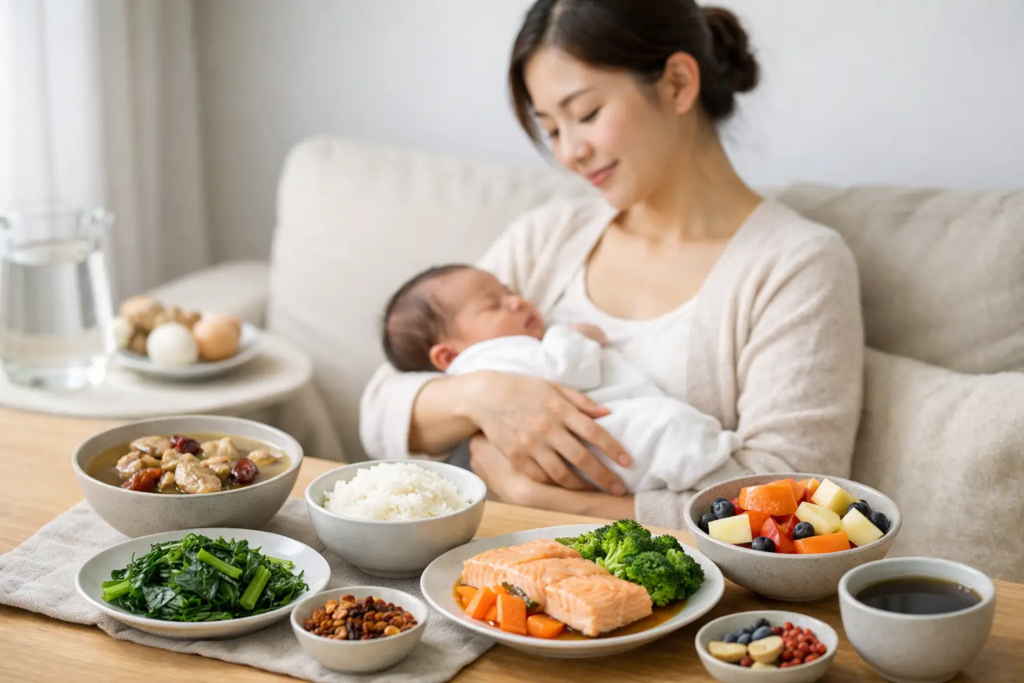
The first meals after birth can feel like an afterthought when you are sore, sleep-deprived, learning your baby’s cues, and recovering from delivery. Yet this is when steady, nourishing food matters most. This postpartum nutrition guide is designed to help Singapore mothers make practical choices that support rest, healing, energy, and the demands of early motherhood – without turning every meal into another decision.
You have spent months caring for your baby. Now, your nourishment deserves the same care. Whether you delivered vaginally or by Caesarean birth, a well-planned recovery diet can make it easier to eat regularly, stay hydrated, and receive the protein, iron, fiber, and fluids your body needs.
What Your Body Needs After Delivery
Postpartum recovery is not one-size-fits-all. Your needs may differ depending on blood loss during delivery, your appetite, whether you are breastfeeding, sleep quality, cultural food preferences, and the kind of support you have at home. A mother recovering from a C-section may also need extra help because standing to cook, lifting heavy pans, and grocery shopping can be uncomfortable in the early days.
Rather than chasing a strict “confinement diet,” focus on meals that are warm, satisfying, and balanced. Protein supports tissue repair. Iron-rich foods can be especially helpful when rebuilding stores after blood loss. Carbohydrates provide usable energy for long days and nights, while vegetables, fruit, whole grains, and fluids support digestion when constipation is common.
If you are breastfeeding, regular meals and adequate hydration can help you meet your own energy needs. There is no single ingredient that guarantees milk supply, and you do not need to force-feed yourself. Consistent nourishment, frequent milk removal, rest where possible, and professional lactation support when needed are a more grounded approach.
A Postpartum Nutrition Guide for the First Month
The first month is often a period of changing appetite, energy, and tolerance for food. Think in terms of gentle progression instead of rigid rules. Warm soups and soft, easy-to-digest dishes may feel especially comforting at first, while a wider variety of foods can be introduced as your appetite returns.
In the first week, choose warmth and ease
In the earliest days, aim for meals that are easy to eat even when you have only a few minutes. Chicken, fish, eggs, tofu, lean pork, and legumes offer protein in manageable portions. Rice, noodles, oats, sweet potato, and whole-grain breads provide energy without requiring much effort to prepare.
Soups are a practical choice because they provide fluid alongside food. A clear fish soup with vegetables, black bean chicken soup, or a ginger-forward broth can be soothing and familiar. In Traditional Chinese Medicine-informed confinement care, warming ingredients such as ginger and sesame oil are often included to support comfort during recovery. The right amount depends on your preferences, digestion, and medical needs, so it should never feel like a rule you have to endure.
If you have had a C-section, small, frequent meals may be more comfortable than large portions, particularly if your appetite is low. Follow your medical team’s instructions closely, especially if you have diabetes, high blood pressure, anemia, or a surgical complication.
In weeks two through four, bring back variety
As you feel stronger, variety becomes valuable. Different proteins, colorful vegetables, nourishing grains, and fruit help make meals more enjoyable while covering a broader range of nutrients. This is also when food fatigue can set in. Eating the same ginger chicken day after day may be traditional for some families, but it is not the only path to feeling cared for.
A modern confinement menu can include Chinese herbal soups alongside Japanese-style grilled fish, Korean-inspired beef dishes, Thai vegetable preparations, or gentle Western-style braises. The key is thoughtful preparation: satisfying flavors, appropriate portions, and ingredients selected with recovery in mind.
Build Meals That Actually Keep You Going
A useful postpartum meal does more than look healthy. It should be filling enough to carry you through a feeding session, a nap that never happens, or an afternoon when both you and baby need comfort.
Start with a source of protein, then add a carbohydrate and vegetables or fruit. For example, steamed fish with brown rice and leafy greens is simple but complete. Chicken with sesame oil, mushrooms, and rice can offer warmth and depth. A bowl of oatmeal with egg, nut butter, and fruit is a realistic breakfast when a full spread is out of reach.
Iron deserves special attention after delivery. Foods such as beef, pork, chicken, fish, eggs, tofu, lentils, dark leafy greens, and iron-fortified grains can contribute to your intake. Pairing plant-based iron sources with vitamin C-rich foods, such as oranges, guava, kiwi, tomatoes, or bell peppers, may help absorption. If you were prescribed iron supplements, continue them as directed by your doctor rather than relying on food alone.
Do not forget fiber. Hormonal changes, reduced movement, pain medication, and fear of discomfort can all make bowel movements difficult after birth. Vegetables, fruit, oats, beans, chia seeds, and whole grains can help, but increase fiber gradually and drink enough fluid so you do not feel more bloated.
Hydration Is Part of Your Recovery Meal Plan
Keep a drink within reach wherever you feed or rest. Plain water is an excellent foundation, while warm soups, caffeine-free teas, milk, and unsweetened coconut water can add variety. Thai young coconut water can be refreshing, especially in Singapore’s heat, but it should complement rather than replace water and balanced meals.
If you are thirsty while breastfeeding, drink to thirst and keep a bottle nearby. There is no need to overdrink in hopes of producing more milk. Too much fluid does not automatically improve supply, and it may simply leave you uncomfortable.
Caffeine does not need to be completely off-limits for every mother, but moderation is sensible, particularly when breastfeeding. Alcohol requires more careful planning. Speak with your doctor or a qualified lactation professional if you have questions about timing, medications, or your personal circumstances.
How TCM-Informed Confinement Food Can Fit Modern Motherhood
For many Singapore families, confinement food is a meaningful expression of care. Its emphasis on warm, cooked meals, restorative soups, and ingredients traditionally associated with recovery can be deeply comforting when a new mother needs to feel looked after.
At the same time, tradition should work for you, not add pressure. You may prefer lighter flavors, need vegetarian options, have food aversions, or simply want more variety than a repetitive menu allows. A sensible TCM-informed approach can honor familiar ingredients while including meals you genuinely look forward to eating.
That is why expert planning matters. Shan Food brings together guidance from an experienced chef, a TCM professor, a clinical nutritionist, and lactation professionals to create freshly prepared confinement meals that balance traditional nourishment with Chinese, Japanese, Korean, Thai, and Western flavors.
Make Nourishment Easier to Accept
The best postpartum plan is the one you can sustain when you are tired. Before delivery, stock a few easy snacks such as nuts, crackers, fruit, yogurt, or shelf-stable milk. Let family members know that practical help – bringing a warm meal, washing containers, or holding baby while you eat – is real support.
Meal delivery can be particularly helpful when there is no full-time confinement helper at home. Warm, planned meals remove the work of menu planning, shopping, cooking, and cleaning during a season when your energy is better spent healing and bonding. If you are considering a structured confinement meal plan, a trial meal is a simple way to assess portion size, flavors, and whether the service suits your household.
If you have persistent dizziness, severe fatigue, worsening pain, fever, vomiting, significant mood changes, or concerns about wound healing, contact your doctor promptly. Food is an important part of recovery, but it does not replace medical care.
Your recovery deserves more than whatever can be found between feedings. Choose meals that feel warm, satisfying, and dependable, then allow yourself to receive the care. A thoughtfully prepared trial meal can be a gentle first step toward making those early postpartum days a little lighter.