


Uncategorized
Confinement Meal Comparison for New Mothers
Sep
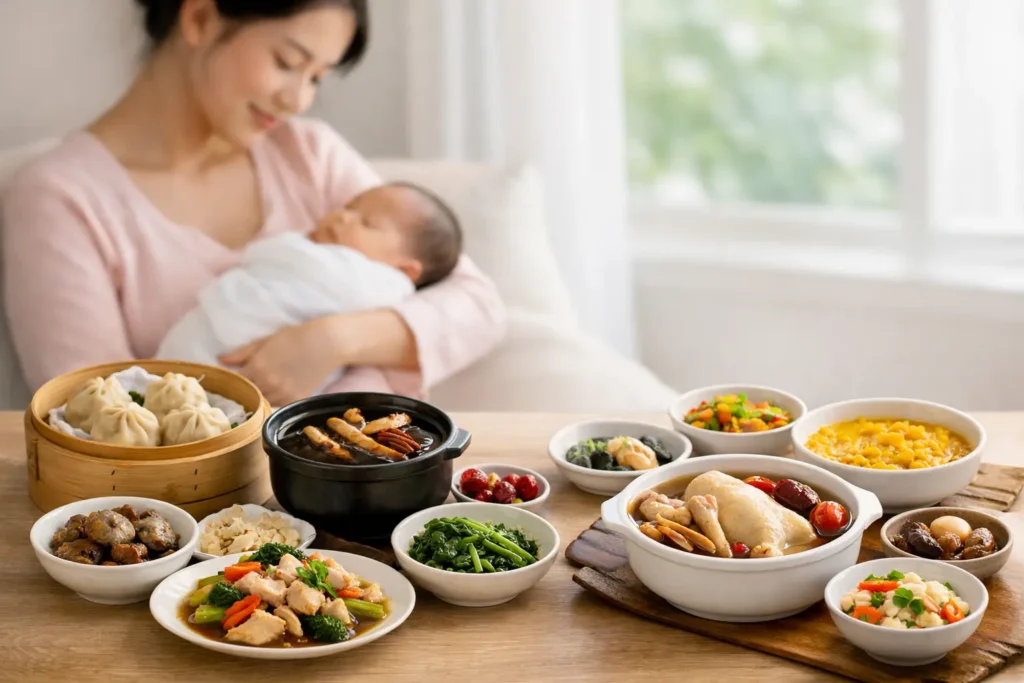
The first days after birth are rarely as quiet as they look in photos. Between feeding, resting, managing discomfort, and learning your baby’s rhythms, deciding what to eat can become one more exhausting task. A thoughtful confinement meal comparison helps you choose care that fits your recovery, household, and preferences – not simply the lowest-priced delivery package.
For many Singapore mothers, confinement food is about more than following a tradition. It is a practical way to receive warm, balanced meals while making space to heal and bond with baby. The right provider should make this season feel lighter, with food you look forward to eating and a service you can depend on.
Start With Your Recovery Needs
Every mother’s postpartum experience is different. A mother recovering from a vaginal birth may have different needs and energy levels from someone healing after a Caesarean birth. Breastfeeding, food preferences, allergies, family support, and your appetite can also shape what feels manageable.
When comparing confinement meal delivery in Singapore, look beyond broad claims such as “healthy” or “nutritious.” Ask whether the menu is designed around the changing stages of postpartum recovery. In traditional Chinese medicine, confinement meals are generally planned to support warmth, nourishment, and gradual rebuilding after childbirth. A considered program should apply these principles in a way that feels practical and enjoyable, rather than relying on the same few dishes day after day.
You may also want to ask how the provider handles special considerations. For example, can the team guide you toward a suitable program after a C-section? Are meals planned with breastfeeding mothers in mind? Can dietary preferences be discussed before your delivery date? Clear, sensible answers are often a better sign of care than a long list of marketing promises.
A Confinement Meal Comparison Beyond the Price
Price matters, especially when preparing for a new baby brings many expenses. But the package price alone does not tell you whether meals will feel satisfying, dependable, or appropriate for the full length of your confinement period.
Compare what is included in each day’s delivery. A lower-cost plan may offer fewer dishes, smaller portions, limited delivery windows, or menus that repeat frequently. A more comprehensive plan may include rice or grains, a protein dish, vegetables, soup, and carefully selected drinks or add-ons. Neither option is automatically right for every family. The useful question is whether the plan gives you enough nourishment and convenience for the support you actually have at home.
Also check whether pricing is transparent. Find out if weekend delivery, public holiday delivery, location surcharges, program changes, or additional soups are included. When you are caring for a newborn, unexpected logistics can feel much bigger than they normally would. A clear plan helps you budget with confidence before baby arrives.
Look at the People Behind the Menu
Confinement food is often described as traditional, but tradition is most helpful when it is applied thoughtfully. A menu developed with input from culinary, TCM, nutrition, and lactation professionals brings several perspectives to the table: flavor, postpartum dietary principles, balanced eating, and the realities of feeding a baby around the clock.
That does not mean every dish needs to be medicinal or unfamiliar. In fact, a good menu should recognize that appetite matters. If food is overly repetitive, too heavy, or simply not enjoyable, it may be difficult to eat enough during a demanding recovery. Look for providers that explain how they balance traditional ingredients and herbs with fresh, approachable cooking.
At Shan Food, menus are developed with guidance from an experienced chef, TCM professor, clinical nutritionist, and lactation professionals. This allows traditional postpartum nourishment to sit comfortably alongside modern Chinese, Japanese, Korean, Thai, and Western-inspired dishes. The result is food with purpose, while still giving mothers welcome variety across a longer program.
Freshness and Delivery Are Part of the Care
A beautifully written menu means little if meals arrive late, cold, or difficult to manage. Delivery is not a minor detail during confinement. It is the moment when a provider either removes stress from your day or adds to it.
Ask whether meals are prepared fresh, delivered warm, and packed in a format that is easy to serve. Reusable thermal tingkat sets can be especially helpful because dishes stay separated and warm until you are ready to eat. This is useful when your baby starts crying just as the doorbell rings, or when you need to pause a meal and return to it later.
Reliability is equally important. Find out about delivery timing, customer support, and what happens if you need to adjust a delivery. A provider does not need to promise a perfect postpartum experience. But it should have clear systems that help protect your daily routine when life with a newborn is anything but predictable.
Variety Is Not a Luxury During Confinement
Many mothers worry that confinement meals will mean weeks of the same ginger-heavy soups and steamed dishes. These foods can have a place in postpartum traditions, but variety deserves serious consideration, particularly for 14- or 28-day programs.
A varied menu can make it easier to maintain regular meals when your appetite changes from one day to the next. It also gives you something small but meaningful to enjoy during long days at home. One lunch might be a comforting fish dish with vegetables and rice; another might bring a lighter Japanese-inspired preparation, a flavorful Thai-style soup, or a familiar Western-style main adapted for postpartum nourishment.
When reviewing sample menus, ask yourself a simple question: Would I still want to eat this in the third week? Look for different proteins, vegetables, cooking methods, and flavor profiles. Fresh fish, therapeutic herbal soups, bird’s nest, and young coconut water may also be meaningful additions depending on your preferences and program. The best choice is not the menu with the most extravagant ingredients. It is the one you can enjoy consistently and feel cared for by.
Choose a Program Length That Gives You Breathing Room
A trial meal can be a reassuring place to begin. It lets you assess flavor, portion size, warmth, packaging, and delivery before committing to a longer plan. This can be particularly useful for first-time mothers who are still deciding what kind of support they will want after delivery.
For a structured confinement period, 7-day, 14-day, and 28-day programs serve different needs. A seven-day plan may work well if family members are helping with cooking or if you want support during the earliest, most tiring days. Fourteen days can offer more consistency while still leaving room to transition back to household meals. A 28-day program may suit mothers who want dependable nourishment throughout a traditional confinement month, especially when there is no full-time confinement helper at home.
There is no universally correct duration. Consider your recovery plan, budget, available family support, and whether you are likely to have the time and energy to shop and cook. It is often kinder to yourself to arrange more support than you think you will need, rather than relying on willpower when you are sleep-deprived.
Questions Worth Asking Before You Order
Before choosing a service, confirm how meals are prepared and delivered, what a typical day includes, and whether there is menu variety across your selected duration. Ask about program suitability after vaginal or Caesarean birth, breastfeeding-friendly considerations, ingredient preferences, and available support if your needs change.
It is also wise to ask who you can contact if you have a question. A responsive, knowledgeable team can provide reassurance when you are arranging meals before delivery or navigating the unfamiliar first days at home. Your provider should speak clearly about food and service, without making exaggerated claims about healing or milk supply.
You have spent months caring for your baby. As you prepare for confinement, consider starting with a trial meal and choose the level of nourishment that lets you rest a little more, plan a little less, and focus on the moments that matter most.