
Uncategorized
Postpartum Wellness Trends 2026 That Put Moms First
Sep
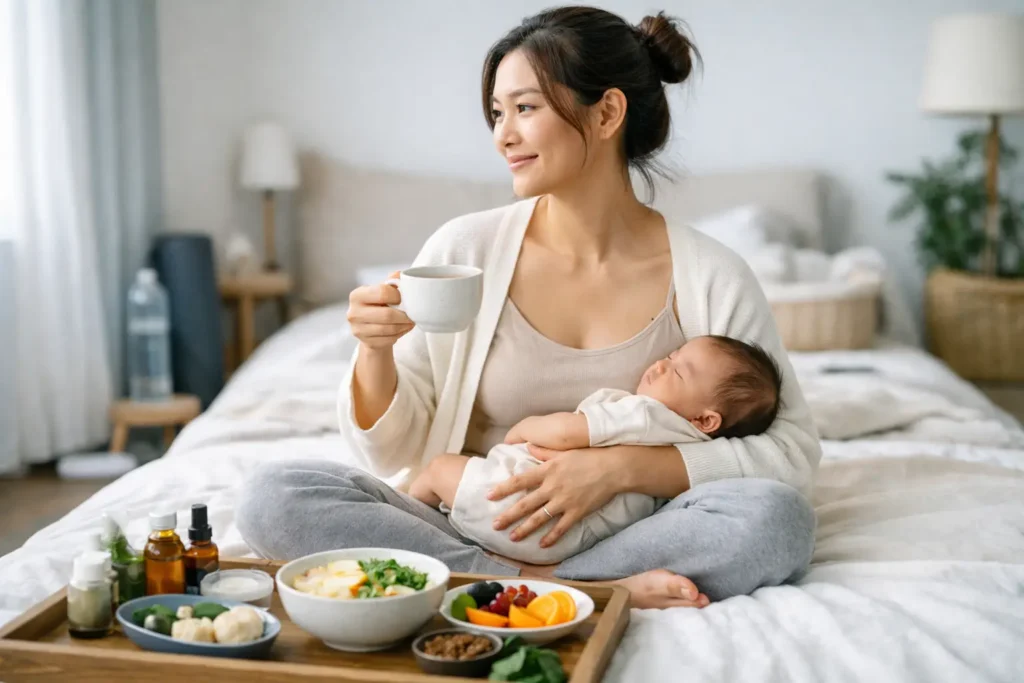
At 3 a.m., when your baby has finally settled and you are wondering whether you have eaten enough, wellness should not feel like another task on your list. The most meaningful postpartum wellness trends 2026 are moving away from pressure, perfection, and quick “bounce back” expectations. Instead, they make room for what a new mother often needs most: warm nourishment, adequate rest, practical support, and the confidence to recover at her own pace.
For mothers in Singapore, this shift is especially welcome. Many families are balancing work, older children, limited household help, and the demands of a newborn. A thoughtful confinement plan can turn nourishment from a daily worry into a dependable part of your care.
Postpartum wellness trends 2026 favor recovery over rushing
For years, postpartum conversations were often centered on getting back to normal as quickly as possible. In 2026, the conversation is becoming more realistic. Birth, whether vaginal or Caesarean, asks a great deal of the body. Recovery is not a deadline, and it does not look the same for every mother.
The growing focus is on supportive routines rather than rigid rules. That may mean accepting help with meals, resting when the opportunity appears, and choosing gentle movement only when you feel ready and have been advised it is appropriate for you. It also means recognizing that emotional wellbeing deserves attention alongside physical healing.
This perspective does not ask mothers to do more. It asks families to make more space for mothers to be cared for. A nourishing meal delivered warm at lunchtime may seem simple, but it can offer something deeply valuable: one less decision when your energy is already stretched.
Food is becoming a more personal form of postpartum care
Postpartum nutrition is no longer being discussed only in terms of calories or a short list of “good” foods. Mothers are looking for meals that feel satisfying, familiar, and suited to the realities of recovery and breastfeeding. They want variety, proper portions, and food they can look forward to eating day after day.
Traditional Chinese Medicine-informed confinement food continues to be valued in Singapore, particularly for its emphasis on warm, cooked dishes and ingredients traditionally chosen to support the postpartum period. TCM principles are personal, so a mother’s needs may differ depending on her birth experience, body constitution, appetite, and guidance from her healthcare team.
The modern difference is that confinement meals no longer need to feel repetitive. Well-planned recovery menus can include comforting Chinese soups alongside Japanese-style fish dishes, Korean-inspired meals, Thai flavors, and familiar Western options. Variety matters because consistent nourishment is easier when meals remain enjoyable.
A practical meal plan should also consider the everyday details that shape a mother’s experience: food served warm, dependable delivery times, reusable containers that reduce household clutter, and dishes that do not require preparation. These are not luxuries. They are small forms of relief during an intense season.
Warm, protein-rich meals are taking center stage
One clear trend is a renewed appreciation for balanced meals built around quality protein, cooked vegetables, grains, and flavorful soups. New mothers are increasingly looking beyond restrictive diets and toward regular meals that help them feel nourished and steady through long days and interrupted sleep.
Protein-rich options such as fresh fish, chicken, eggs, tofu, and lean meats can be incorporated into a varied menu. Ingredients like ginger, sesame oil, red dates, black vinegar, and selected herbs are also common in traditional confinement cooking, adding warmth and depth of flavor. The right choices depend on individual preferences and dietary needs, especially for mothers managing allergies, vegetarian diets, or medical advice.
Hydration is part of this picture, too. Warm soups, broths, and suitable beverages can make it easier to drink regularly. For breastfeeding mothers, hydration and regular meals can be supportive habits, although no single food or drink can guarantee milk supply. If feeding concerns persist, a lactation professional can offer individualized help.
Convenience is being recognized as real care
The most useful wellness trend may be the simplest: mothers are giving themselves permission to outsource what does not need to be done alone. Cooking, grocery shopping, washing up, and planning a recovery menu can take hours each week. In the early postpartum period, those hours may be better spent resting, feeding your baby, showering, or simply sitting quietly with a hot meal.
This is why structured postpartum meal delivery is becoming a practical choice for more Singapore families. A 7-day plan can offer welcome support during the first week at home. A 14-day or 28-day programme can provide a steadier rhythm for families who want to extend nourishment through the confinement period.
The best choice depends on your household. Some mothers have experienced family support and need only a few meals covered each day. Others are recovering from a Caesarean birth, caring for other children, or managing without a confinement nanny. They may find that a more complete plan reduces stress for everyone in the home.
At Shan Food, meals are developed with input from an experienced chef, a TCM professor, a clinical nutritionist, and lactation professionals. This combines traditional postpartum nourishment with menus designed for the way mothers want to eat now: freshly prepared, comforting, varied, and delivered warm in reusable thermal tingkat sets.
Mental wellbeing is part of the recovery plan
Another encouraging change in 2026 is a more open conversation about the emotional side of early motherhood. Feeling tearful, overwhelmed, disconnected, or anxious can be difficult to speak about, particularly when everyone expects you to be happy. But postpartum wellbeing includes your mind as much as your meals and rest.
A gentle daily routine can create small moments of grounding. Eat something warm before you become overly hungry. Keep water within reach. Let a partner, parent, or friend take over one practical task. Step into daylight when you can. None of these habits solve every challenge, but they can make an exhausting day feel more manageable.
If low mood, anxiety, frightening thoughts, or feelings of hopelessness are persistent or worsening, contact your doctor or a qualified mental health professional promptly. Seeking support is an act of care for both you and your family.
Family support is becoming more intentional
Postpartum care is increasingly viewed as a family responsibility, not a mother’s private project. Partners are learning that support can be specific: arranging meals, preparing a comfortable resting space, handling delivery coordination, protecting quiet time, and checking in without trying to fix every feeling.
For grandparents and friends, a postpartum meal programme can also be a meaningful gift. It gives a new mother reliable nourishment without adding another item she must organize. Rather than asking, “What can I do?” a warm meal arriving when expected is a clear, practical answer.
The goal is not to create a perfect confinement experience. Some days will be messy, meals may be eaten in stages, and rest may come in short stretches. What matters is building enough support around you that nourishment remains possible, even on the difficult days.
You have spent months caring for your baby. Now, let your recovery receive the same thoughtful attention. If you are planning your confinement period, consider starting with a trial meal and choosing the level of support that makes your days feel lighter, warmer, and more cared for.