
Uncategorized
Bird Nest Benefits Postpartum for New Mothers
Aug
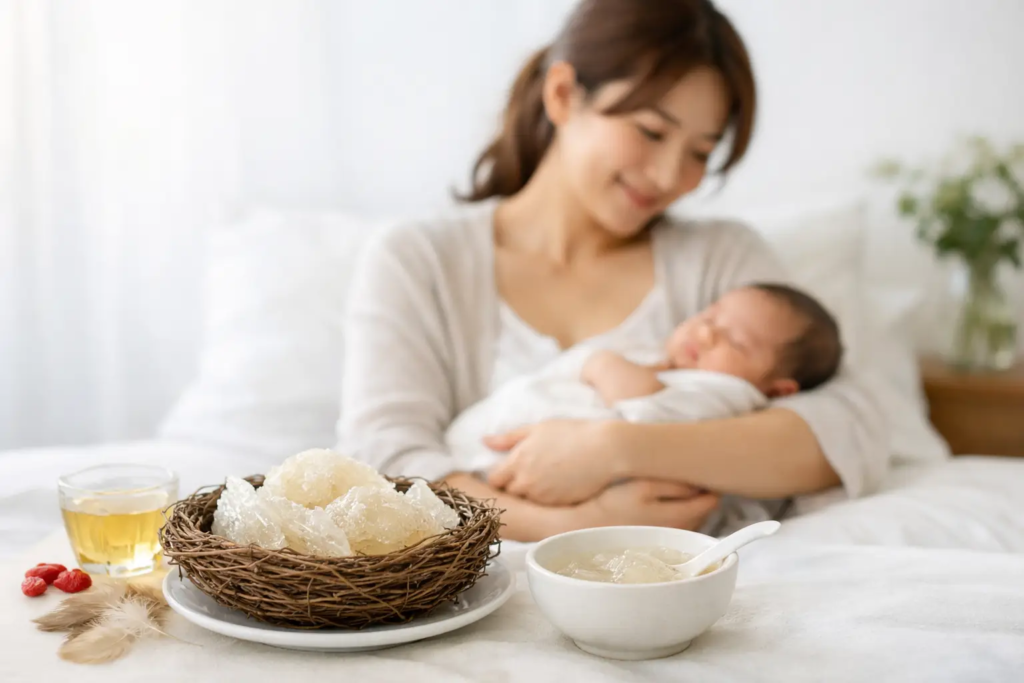
After birth, even simple choices can feel like one more thing to manage. Many families ask about bird nest benefits postpartum because it has long held a place in Chinese confinement traditions as a gentle, nourishing delicacy. While it is not a cure-all for the demands of recovery, a well-prepared bowl can be a comforting addition to a balanced postpartum diet.
The most helpful approach is to see bird’s nest as one part of your care: alongside warm, satisfying meals, adequate protein, hydration, rest where possible, and guidance from your medical team. You have spent months caring for your baby. Now, your nourishment deserves the same attention.
What Is Bird’s Nest?
Edible bird’s nest is made from the nests of swiftlets, which are carefully cleaned and cooked until they develop their familiar soft, gelatinous texture. It is often gently double-boiled with water and ingredients such as red dates, goji berries, or less sweet options suited to postpartum preferences.
In traditional Chinese medicine, bird’s nest is generally valued as a mild, moistening food. It is commonly chosen during confinement because it feels light and soothing rather than heavy or overly rich. This can appeal to mothers whose appetites are still returning after delivery, especially when they are tired of strong herbal flavors or large meals.
Bird Nest Benefits Postpartum: A Balanced View
Bird’s nest is appreciated for its texture, tradition, and nutrients, but it is best discussed realistically. Research on specific postpartum outcomes remains limited. There is not enough strong evidence to say bird’s nest speeds wound healing, increases breast milk supply, restores energy on its own, or changes a mother’s recovery after a vaginal birth or Cesarean birth.
That does not mean it has no place at the postpartum table. Its value is often in how it supports a nourishing routine that a mother can actually enjoy and maintain.
A gentle source of nourishment
Bird’s nest contains protein and carbohydrates, though the amount in a single serving varies widely depending on preparation and portion size. Protein is needed throughout the body for tissue maintenance and repair, so postpartum meals should include reliable protein sources such as fish, eggs, chicken, tofu, beans, and lean meat as well.
A bird’s nest dessert or soup should complement these foods rather than replace a complete meal. For a mother recovering from surgery, blood loss, poor appetite, or a difficult birth, personalized medical and nutrition advice matters far more than any single ingredient.
A comforting option when appetite is low
Postpartum recovery can come with changing taste preferences, nausea, bloating, constipation, or simply no desire to think about food. Warm bird’s nest with a light sweetness may feel easier to enjoy than a rich dessert. Its soft consistency can also be welcome when you want something comforting between meals.
The benefit here is practical: nourishment only helps when you are able and willing to eat it. A thoughtfully prepared serving can give a mother a moment of calm and care during a very full day.
A traditional ritual of being cared for
Confinement food is not only about nutrients on a nutrition label. For many families in Singapore, bird’s nest represents care from a partner, parent, or loved one who wants the new mother to feel supported. That emotional reassurance has value, particularly when early motherhood feels physically demanding and isolating.
Traditional rituals should never become another expectation for a mother to meet. If bird’s nest is meaningful and enjoyable to you, include it. If you do not like it, cannot have it, or would rather spend your food budget on other nourishing meals, your recovery is not lacking.
Does Bird’s Nest Help With Breastfeeding?
Bird’s nest is sometimes promoted as a food for milk supply, but there is no reliable evidence that it directly increases breast milk production. Milk production is influenced more strongly by frequent and effective milk removal, adequate feeding support, hydration, enough overall food intake, rest, and a mother’s individual health.
Breastfeeding mothers can still enjoy bird’s nest as part of their diet if it suits them. Choose a preparation that is not overly sweet, and continue to prioritize regular meals with protein, vegetables, whole grains, healthy fats, and fluids. If you are worried about supply, pain, latching, or your baby’s weight gain, speak with a lactation professional or healthcare provider promptly.
Choosing Bird’s Nest Safely During Confinement
Quality and preparation matter. Bird’s nest should be thoroughly cleaned, cooked properly, and purchased from a trusted source with clear food-handling standards. Avoid raw or poorly prepared products, as postpartum recovery is not the time to take unnecessary food safety risks.
Be mindful of sugar, too. Traditional recipes may contain rock sugar, red dates, or other sweet ingredients. A little sweetness can make a bowl more enjoyable, but very sweet preparations may not suit mothers managing gestational diabetes after delivery, diabetes, or blood sugar concerns. A lower-sugar version can still taste delicate and satisfying.
If you have a known allergy to bird’s nest, asthma that has been triggered by food allergies, or any history of significant allergic reactions, ask your doctor before trying it. Stop eating it and seek medical attention if you notice symptoms such as hives, swelling, wheezing, vomiting, or trouble breathing.
For mothers recovering from a Cesarean birth, bird’s nest can be included once you are eating normally and your care team has not given you dietary restrictions. It should not replace the protein-rich meals, iron-containing foods, fiber, and fluids that support your broader recovery needs.
How to Include It in a Postpartum Meal Routine
A small serving of warm bird’s nest can work well as a mid-morning treat, an afternoon snack, or a light evening dessert after a balanced meal. Some mothers prefer it plain and lightly sweetened, while others enjoy it with red dates or goji berries. The best version is one that fits your appetite, cultural preferences, and health needs.
Think of variety as part of postpartum nourishment. One day, you may want a warming fish soup with rice. Another day, a ginger chicken dish or a lighter Japanese-inspired meal may be more appealing. A sustainable confinement diet makes room for traditional ingredients while giving your body a range of proteins, vegetables, grains, and flavors.
At Shan Food, our fresh bird’s nest and postpartum menus are planned to bring that balance to busy households. Our approach combines TCM-informed principles with guidance from nutrition and lactation professionals, so mothers can enjoy meaningful traditional nourishment without needing to plan, shop, cook, and wash up while they recover.
When Bird’s Nest May Not Be the Priority
There are times when a bowl of bird’s nest is simply not the most pressing nutrition need. If you are experiencing heavy bleeding, fever, severe pain, persistent vomiting, a worsening surgical wound, dizziness, low mood, or difficulty eating, please contact your healthcare provider. Food can support recovery, but it cannot replace medical assessment.
Likewise, if your budget is limited, start with the foundations: enough total food, protein at each meal, iron-rich choices, fruits and vegetables, fiber, hydration, and practical help at home. Bird’s nest can be a lovely addition, not a requirement for a healthy postpartum period.
If a warm bowl of bird’s nest helps you feel cared for, enjoy it without pressure. Let the rest of your table do its work too: nourishing soups, satisfying meals, plenty of fluids, and the dependable support that gives you more space to rest, heal, and bond with your baby.