

Uncategorized
Tingkat Delivery for Pregnancy and Recovery
Aug
A good tingkat delivery service does more than place lunch or dinner at your doorstep. During pregnancy and the weeks after birth, it can remove the daily question of what to eat, while giving your body the steady, comforting nourishment it needs. When you are managing fatigue, feeding schedules, appointments, or a newborn who only settles in your arms, having a warm meal ready can feel like real care.
For mothers in Singapore, the right meal plan should balance tradition with practicality. You may want the familiar support of TCM-informed ingredients, but you also deserve food that is satisfying, varied, and pleasant to look forward to. Recovery should not mean forcing down the same dishes day after day.
What Makes Tingkat Delivery Helpful for Mothers?
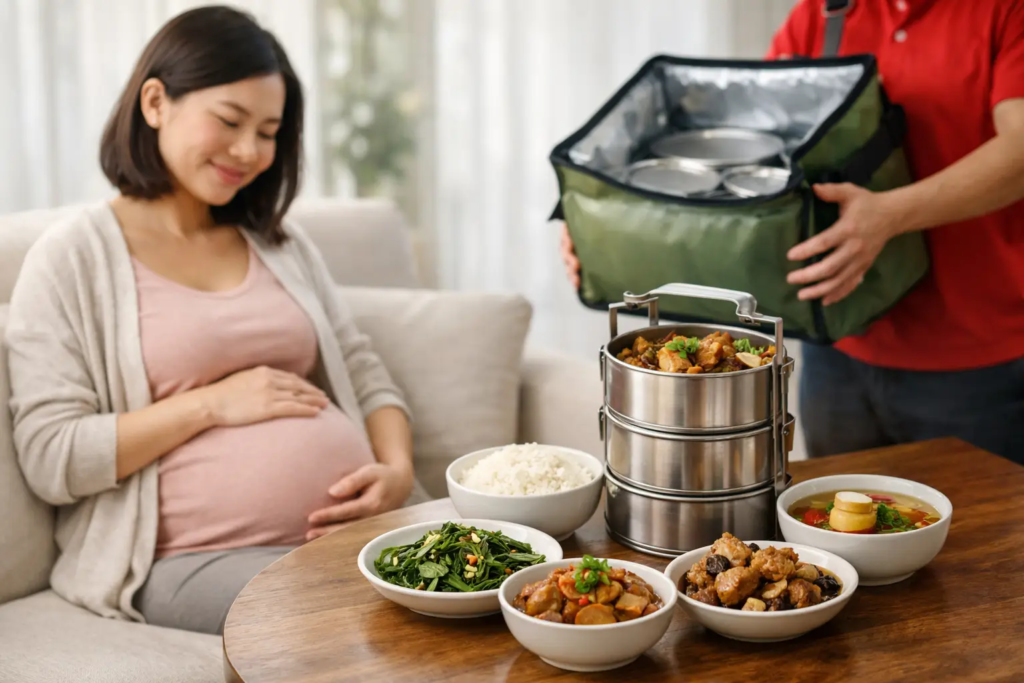
Tingkat meals are served in stacked containers, traditionally designed to hold a complete home-style meal in separate portions. For maternal nourishment, that format is especially useful. A thoughtfully planned set can bring together a protein-rich main dish, vegetables, rice or another source of energy, and a restorative soup without requiring you to prepare, plate, or clean up several pots.
The convenience matters, but so does consistency. Pregnancy and postpartum recovery can make it difficult to shop for ingredients, stand at the stove, or coordinate meals around a baby’s changing routine. A dependable delivery arrangement gives mothers and their families one less responsibility to carry.
For a postpartum mother, this is not about chasing a perfect diet. It is about having regular, enjoyable meals that support rest and help make the day feel more manageable. For partners and family members, it is a practical way to offer care that is useful every single day.
Why Postpartum Meals Need More Than Convenience
After childbirth, your appetite, energy, preferences, and recovery needs may not look the same as they did before pregnancy. Mothers recovering from a vaginal birth and those recovering from a Caesarean birth can both benefit from adequate energy, protein, vegetables, fluids, and warming meals, although their individual needs may differ.
Traditional Chinese postpartum food culture often emphasizes warm, cooked dishes and carefully selected herbs. In simple terms, these meals are designed around the idea of replenishing the mother after the physical demands of pregnancy and birth. Ingredients such as ginger, sesame oil, black vinegar, red dates, and herbal soups are often included according to the stage of confinement and a mother’s individual needs.
Still, traditional does not have to mean repetitive. A nourishing menu can include Chinese dishes alongside Japanese, Korean, Thai, and Western-inspired meals. Variety helps when your appetite changes, and it makes it easier to stay engaged with your meal plan over several weeks.
It is also wise to keep expectations realistic. Food is a meaningful part of postpartum care, but it does not replace medical advice, prescribed treatment, or support from your doctor. If you have allergies, gestational diabetes, dietary restrictions, a medical condition, or concerns about breastfeeding, discuss your needs with your healthcare team and ask the meal provider what adjustments may be possible.
How to Choose a Tingkat Delivery Plan
The best plan depends on where you are in your motherhood journey and how much support you have at home. A trial meal is often a sensible first step. It lets you assess portion size, flavor, freshness, delivery timing, and whether the menu feels right for you before committing to a longer program.
If you are planning ahead for confinement, a 14- or 28-day program can bring more structure to the first demanding weeks at home. A shorter 7-day plan may suit mothers who have family cooking support but need relief during the first stretch of recovery. There is no single right duration. The practical choice is the one that gives you enough breathing room to rest without creating more food than your household can enjoy.
When comparing providers, look beyond the number of dishes. Ask whether meals are freshly prepared, how they are delivered, whether soup is included, and how much menu rotation you can expect. A meal plan with generous portions and thoughtful variety can be more valuable than one that simply offers the lowest daily price.
Look for expertise behind the menu
Postpartum food should be planned with purpose, not assembled from generic catering recipes. A team that includes experienced culinary professionals, TCM guidance, clinical nutrition knowledge, and lactation support can bring a more considered perspective to maternal meals.
That expertise should show up in the details: appropriate ingredients, balanced preparation, menu progression, and dishes that feel comforting rather than restrictive. It should also be communicated clearly, without making promises that no meal service can guarantee.
Consider delivery that respects your routine
For a mother caring for a newborn, reliability is part of the nourishment. Warm meals delivered in reusable thermal tingkat sets can help reduce the need for reheating and cut down on disposable packaging at home. The exact delivery experience will depend on your location and schedule, so confirm the service area and timing before ordering.
It is worth thinking about who will receive the order, too. If you are resting, a partner, parent, or helper may need to collect the meals. Clear delivery arrangements make the service easier to rely on when your hands are full.
What a Well-Planned Maternal Meal Can Include
A satisfying meal should feel complete, not overly complicated. You might receive tender fish prepared with ginger, chicken in a warming herbal broth, slow-cooked pork dishes, seasonal vegetables, and rice. Therapeutic herbal soups can be a comforting addition, especially when a warm bowl is all you have time to enjoy between feeds and naps.
Some mothers also appreciate options such as fresh fish, bird’s nest, or Thai young coconut water as part of their wider maternal-care routine. These additions are personal preferences, not requirements for every recovery. What matters is choosing food that suits your appetite, cultural preferences, and budget while providing dependable daily nourishment.
For breastfeeding mothers, regular meals and hydration can be particularly welcome during long days of feeding. A meal provider should avoid oversimplified claims about increasing milk supply. Every mother’s breastfeeding experience is different, and lactation support is most helpful when it is practical, compassionate, and tailored to the mother.
Make Meal Delivery Work Better at Home
A little planning can help you get more value from a meal program. Before your delivery begins, make room in the refrigerator for any items you may need to keep for later. Keep a water bottle nearby, and ask your household to protect your meal time where possible. Even ten quiet minutes with a warm bowl of soup can be restorative.
If a dish does not suit your appetite on a particular day, do not see that as a failure. Postpartum hunger can be unpredictable. Set aside what you can safely enjoy later, share with a family member if appropriate, and let the meal plan reduce pressure rather than add to it.
Partners can help by handling the practical details: checking delivery instructions, transferring food to storage when needed, and making sure the mother has a comfortable place to eat. Care is often found in these small actions.
A More Reassuring Way to Plan Your Recovery
You have spent months caring for your baby. Now, let someone take care of your nourishment. Shan Food prepares warm, varied pregnancy and confinement meals with guidance from an experienced chef, TCM professor, clinical nutritionist, and lactation professionals, so every menu is built around both comfort and purpose.
If you are unsure what level of support you need, start with a trial meal and notice how it changes your day. The right meal delivery plan should leave you with less planning, less kitchen stress, and more space to rest, heal, and bond with your baby.